A Line on the Impeller Is Not Yet a Diagnosis
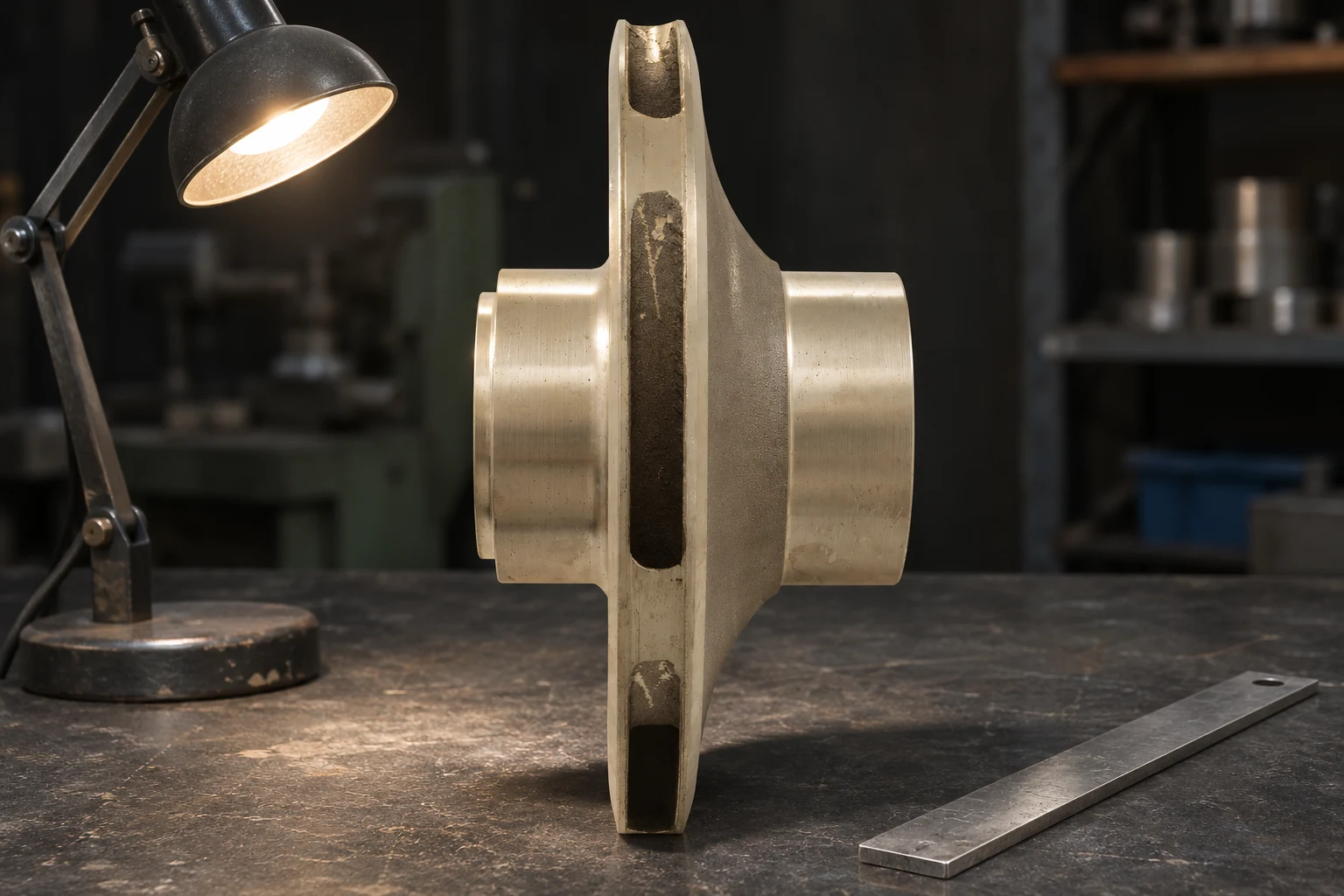
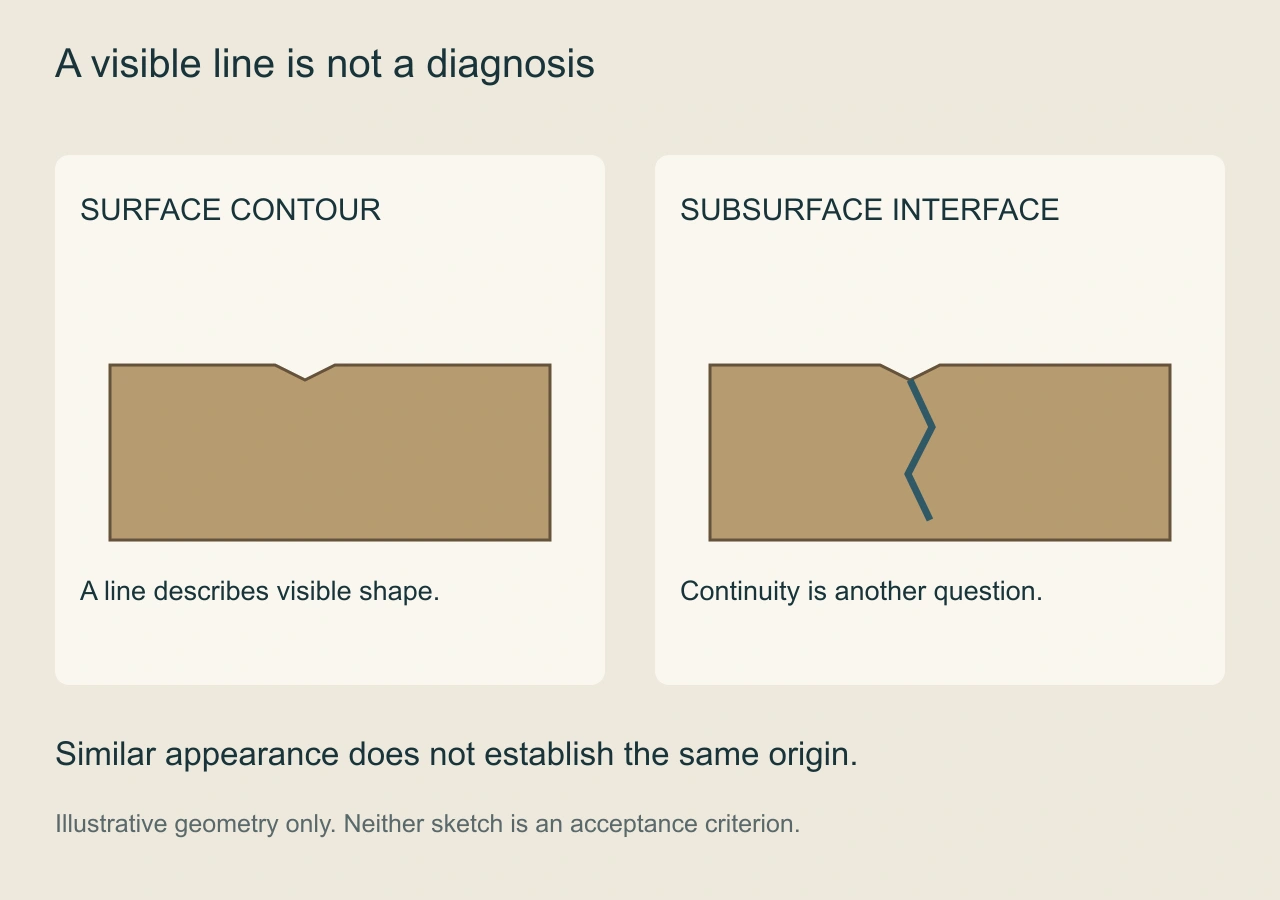
A cold shut concerns incomplete bonding where metal fronts meet. Separate that question from a transferred wax line before grinding away an impeller indication.

NEWS & TECHNICAL GUIDES
Practical guides to casting geometry, pump components and service-related replacement decisions.
A cold shut concerns incomplete bonding where metal fronts meet. Separate that question from a transferred wax line before grinding away an impeller indication.
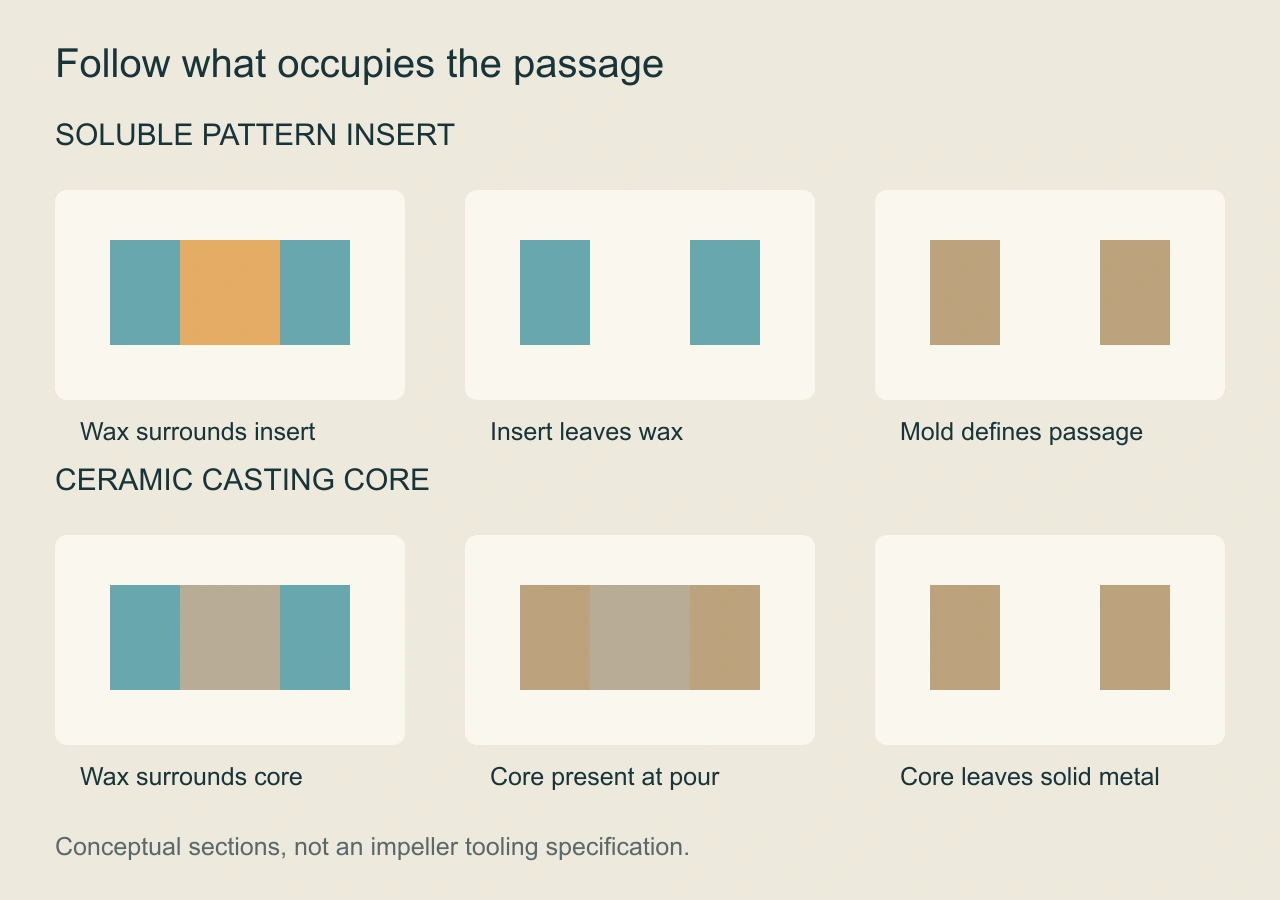
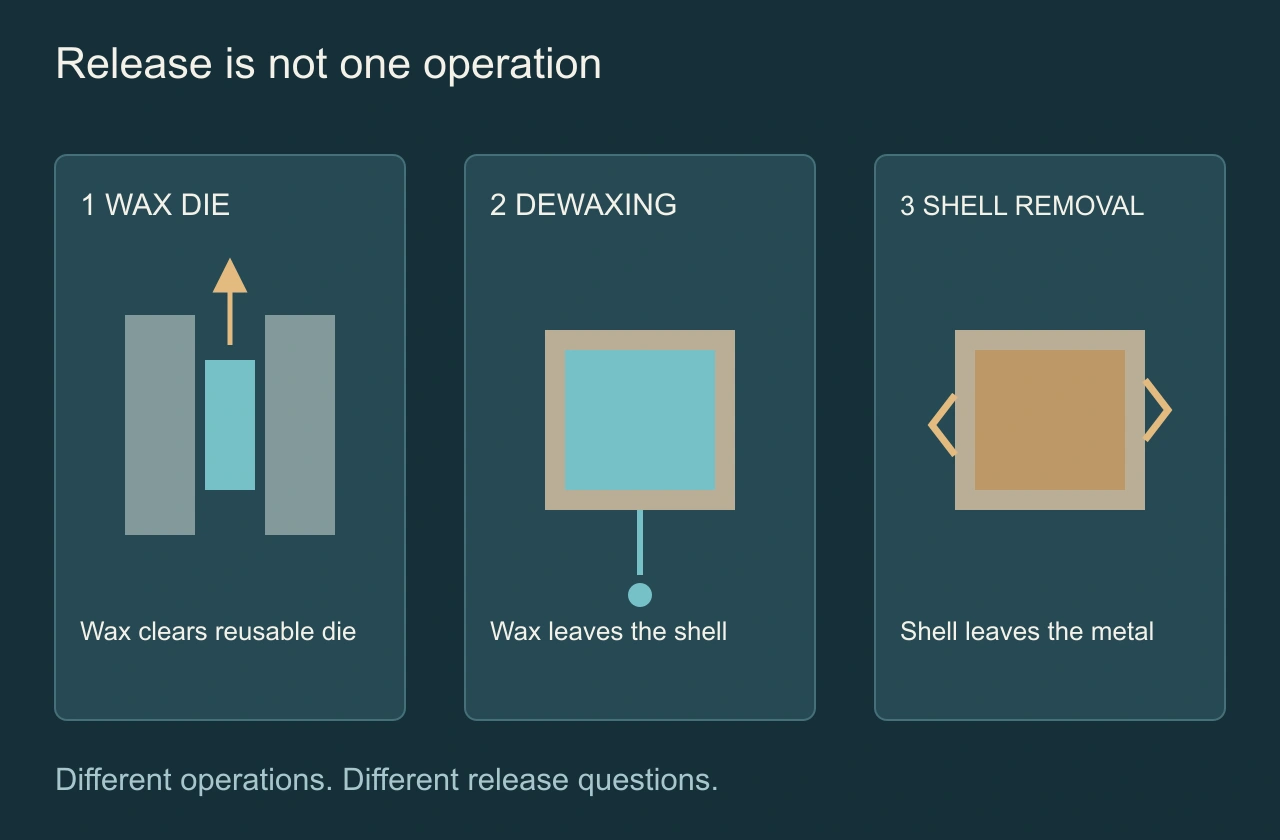
A soluble wax core and a ceramic core leave at different stages. Follow the passage through the process before treating two impeller tooling proposals as equivalent.
Removing a casting gate and preserving the impeller contour are separate jobs. Compare the gate contact, cleanup boundary and remaining metal before release.
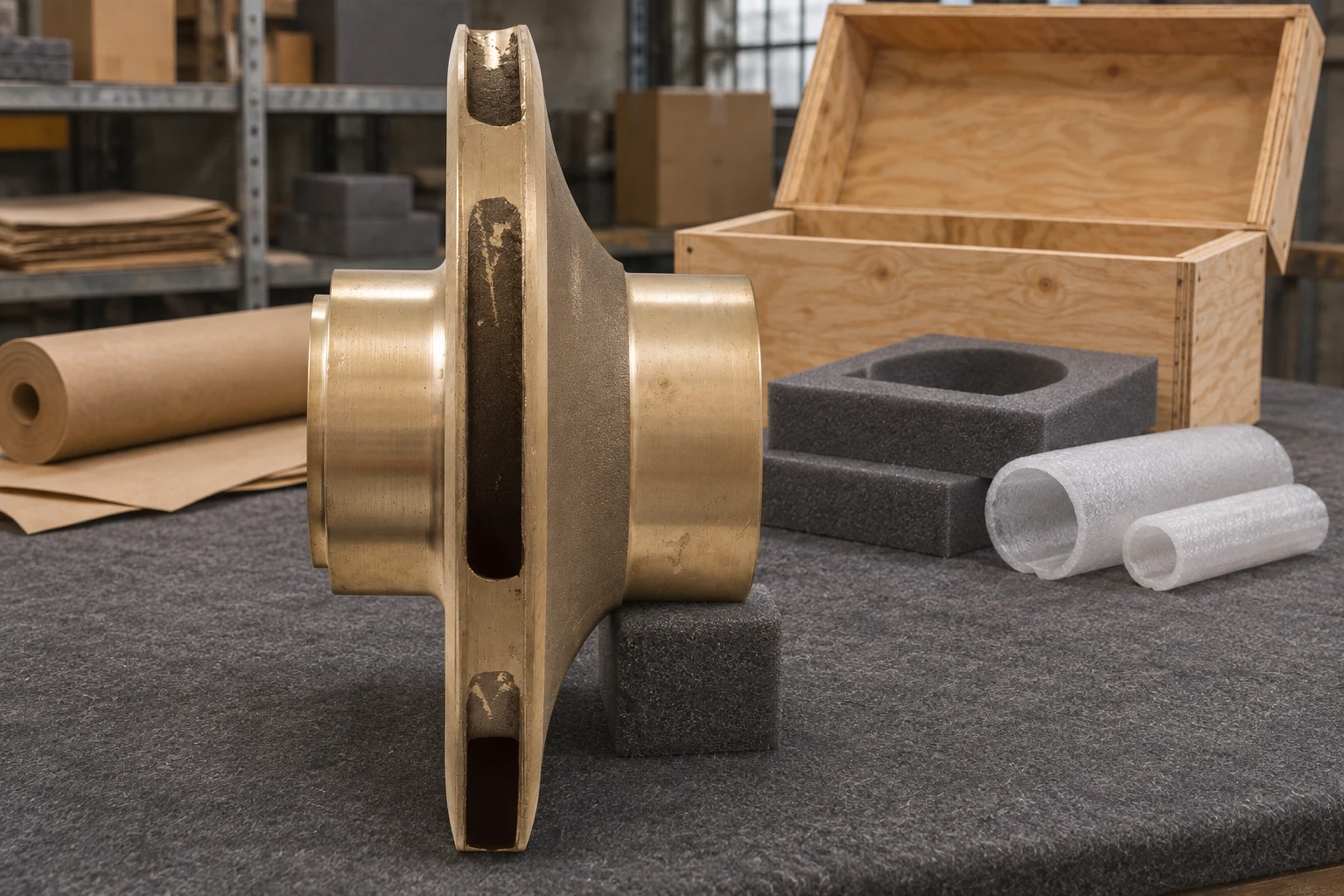
A strong crate does not prevent movement inside it. Plan protection around the delivered impeller surfaces, internal restraint and the receiving condition.
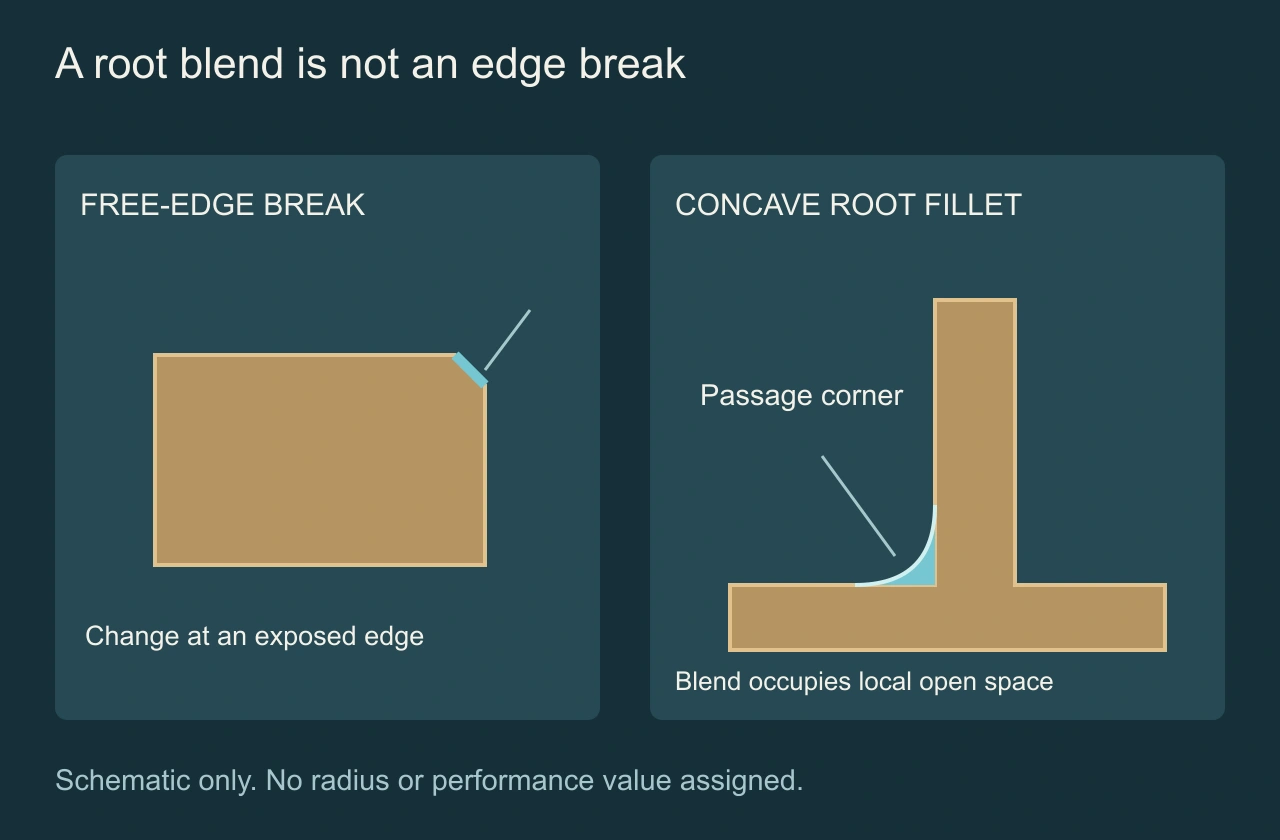
A vane-root fillet is different from an edge break. Define its surfaces and extent before a casting change alters the local section or passage geometry.
A disposable ceramic shell does not settle wax-tool release. Check the pull direction, parting arrangement and undercuts before changing impeller geometry.
A material identity and a tensile result answer different questions. Read whether the specimen came from a separate bar, an attached coupon or a sample casting.
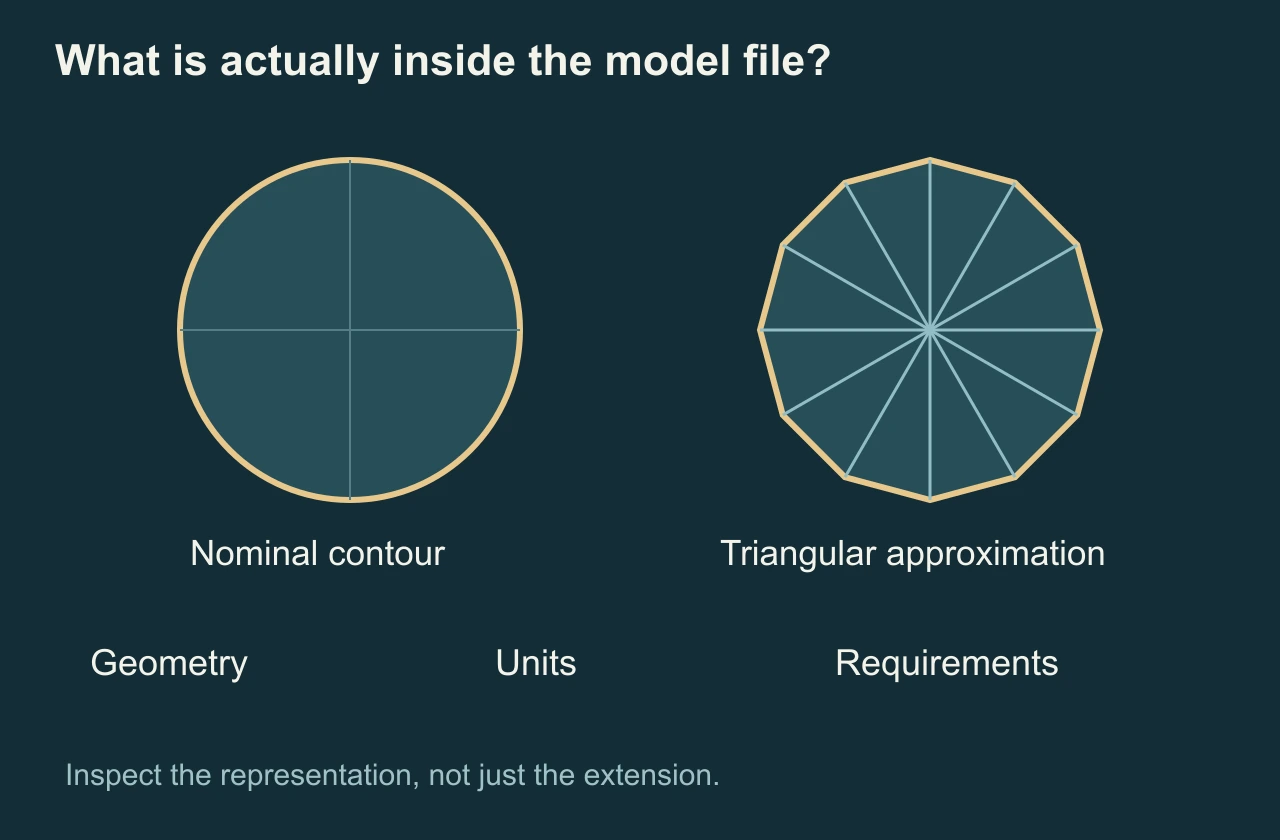
A smooth preview does not prove a usable casting model. Check mesh versus CAD geometry, units, revision and the manufacturing information actually received.
Matching a bore and outside diameter does not locate an impeller axially. Compare the seating face, hub projection and working features from one reference.
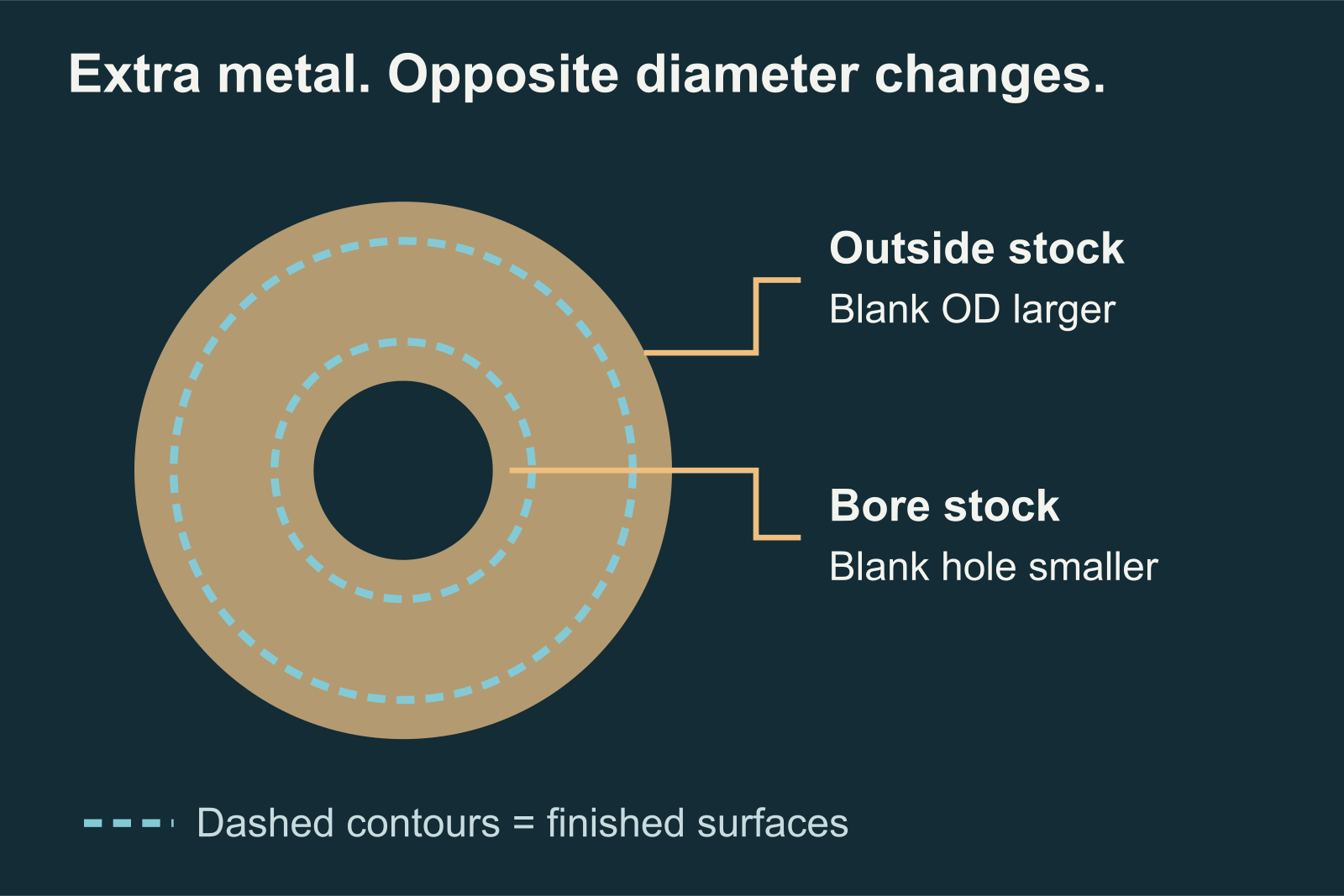
Machining stock makes an outside surface larger and a bore smaller. Separate that extra metal from casting tolerance and pattern shrinkage compensation.
A vane can have different thicknesses along its profile. Locate inlet and outlet checks, distinguish passage width, and preserve the specified geometry.
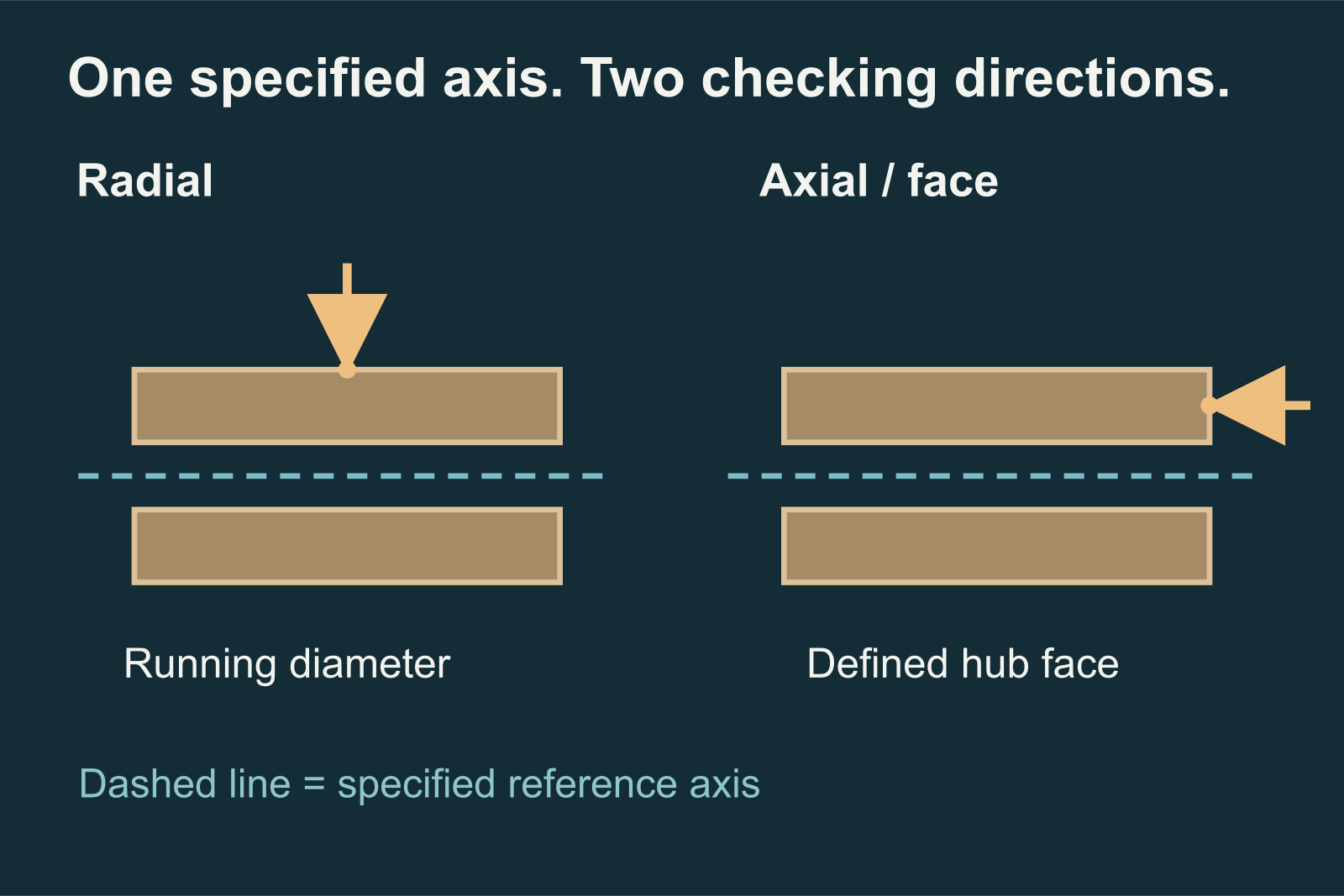
Read impeller runout against the specified axis and surface. Separate radial from face checks, circular from total runout, and geometry from mass balance.