Machinery, mining & metallurgy

Worm gearing & low-speed drivesMachine-tool & textile bearingsPress guidance & lead screwsHeavy machinery sliding interfacesMachinery repair & replacementCrusher shaft supportEccentric & countershaft driveCrusher bushing replacementConveying & auxiliary wear partsScrew-down & roll-gap adjustmentChock & housing guidesDowncoilers & auxiliary mechanismsMill maintenance & replacement

Worm gearing & low-speed drives

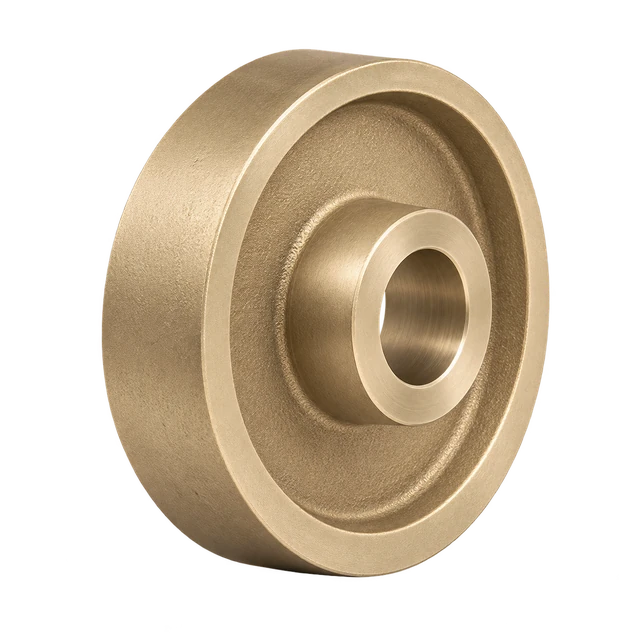
Compare worm-wheel and gear-rim blanks for drawing-specified bronze transmissions.

Start with the blank envelope, hub connection and stock allowance, then define the downstream tooth-machining and inspection responsibilities.
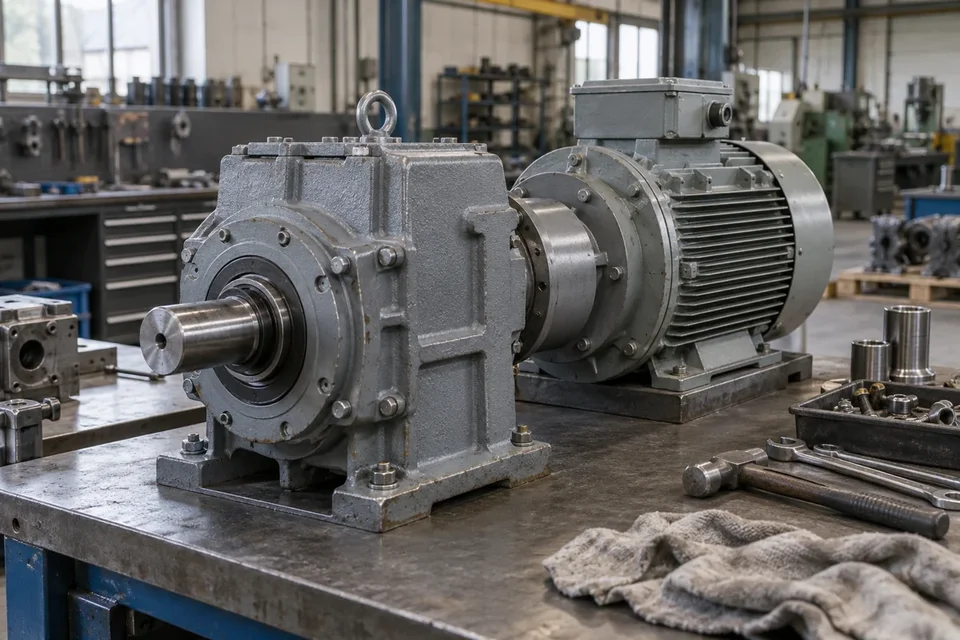
Gearbox and transmission components in a workshop illustration
Conceptual application illustration

Related equipment & castings

Discuss your drawing

Machine-tool & textile bearings

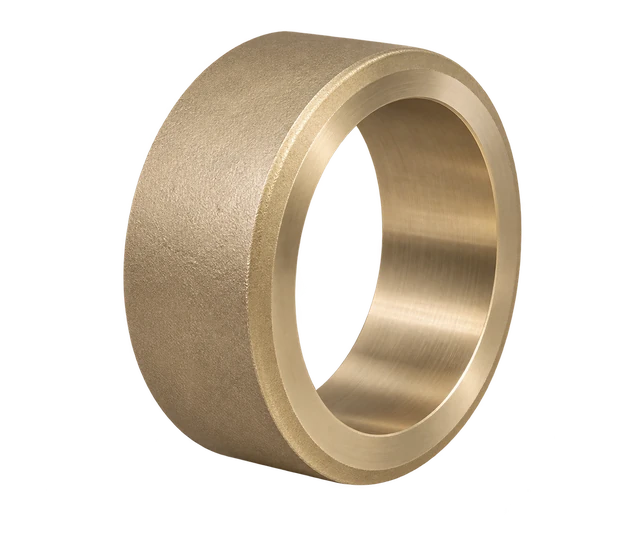
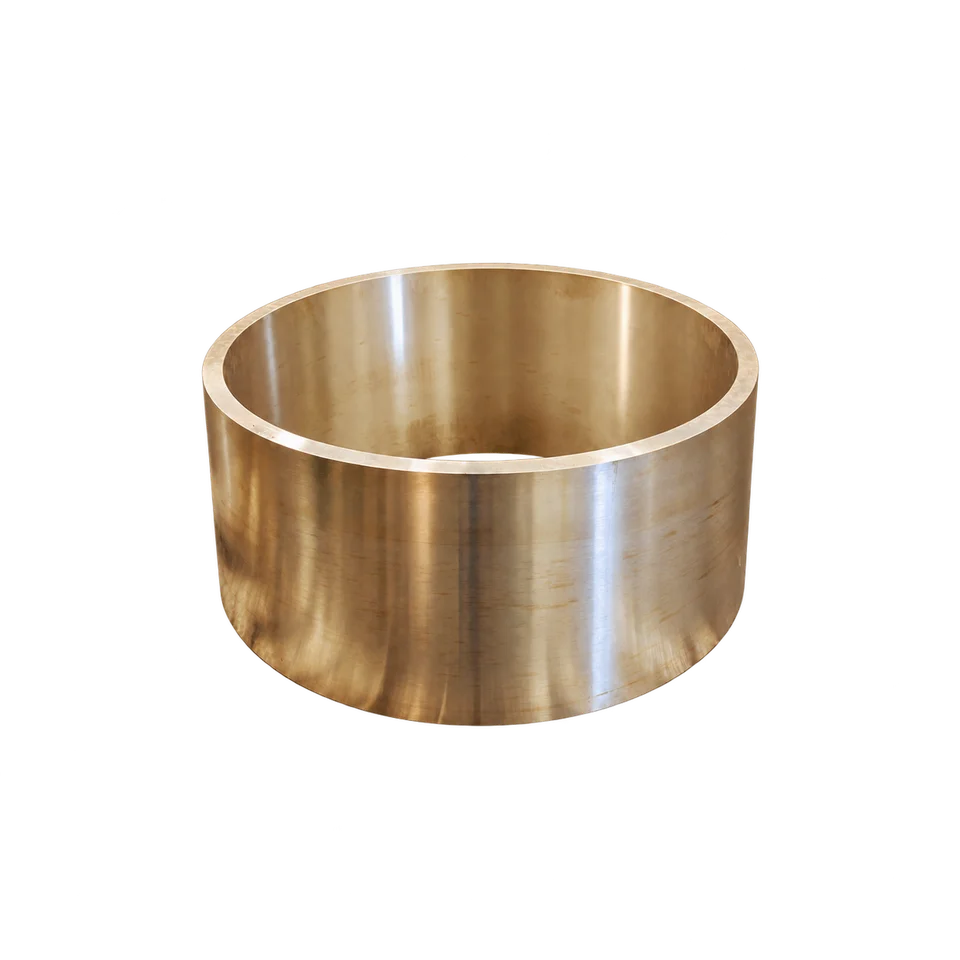
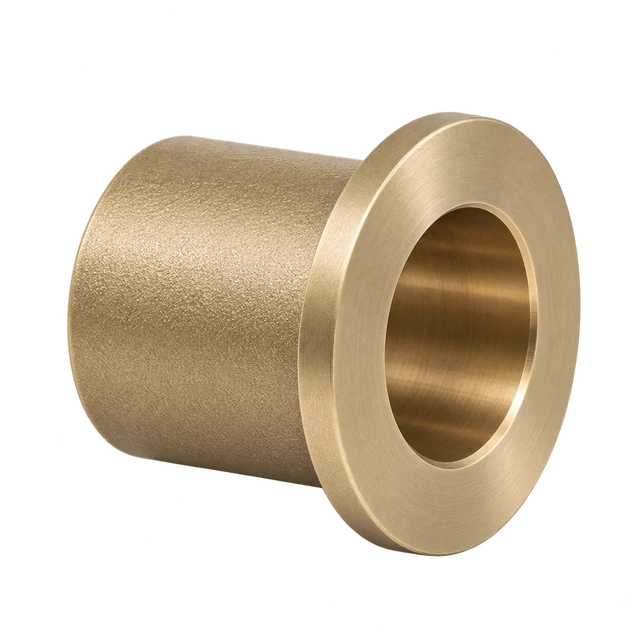
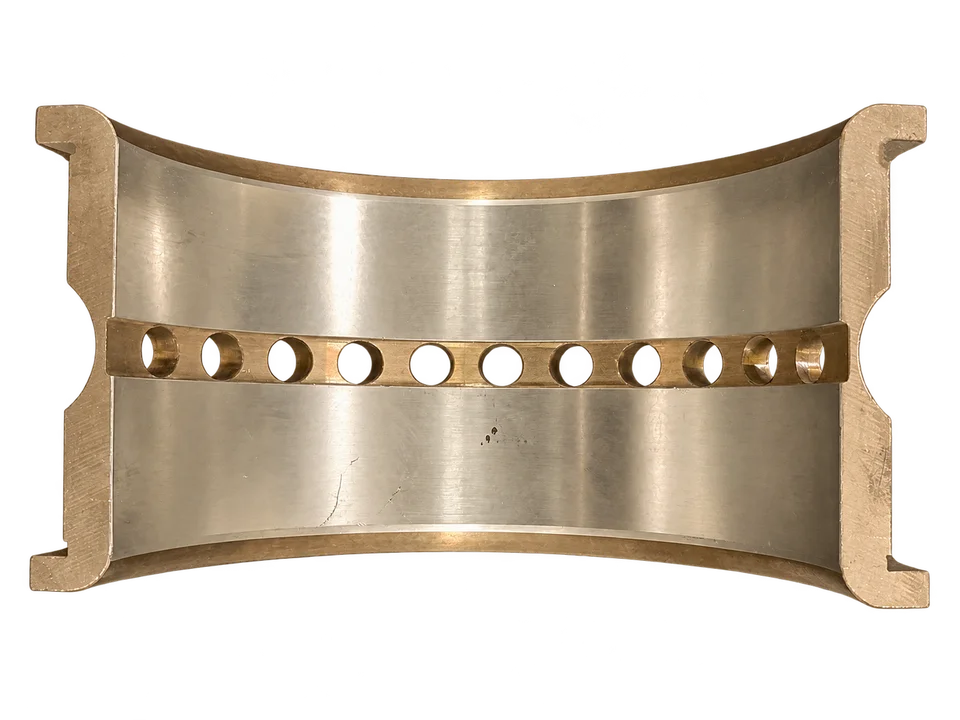
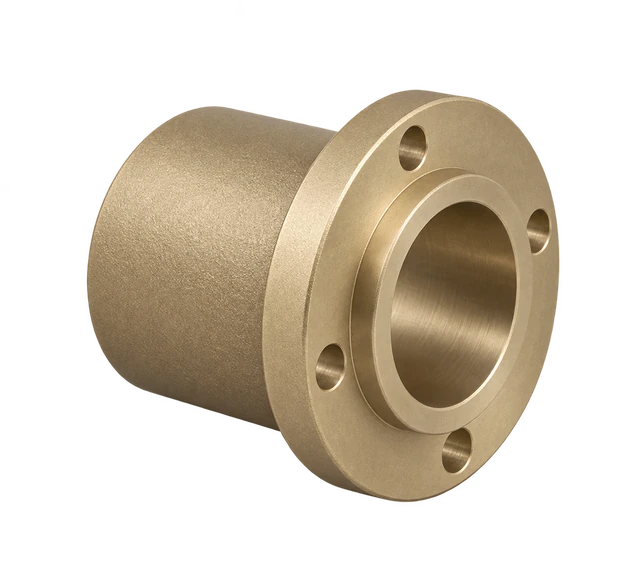
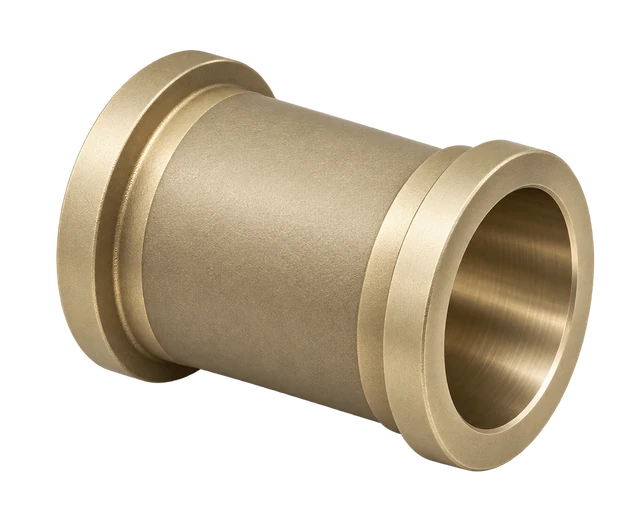
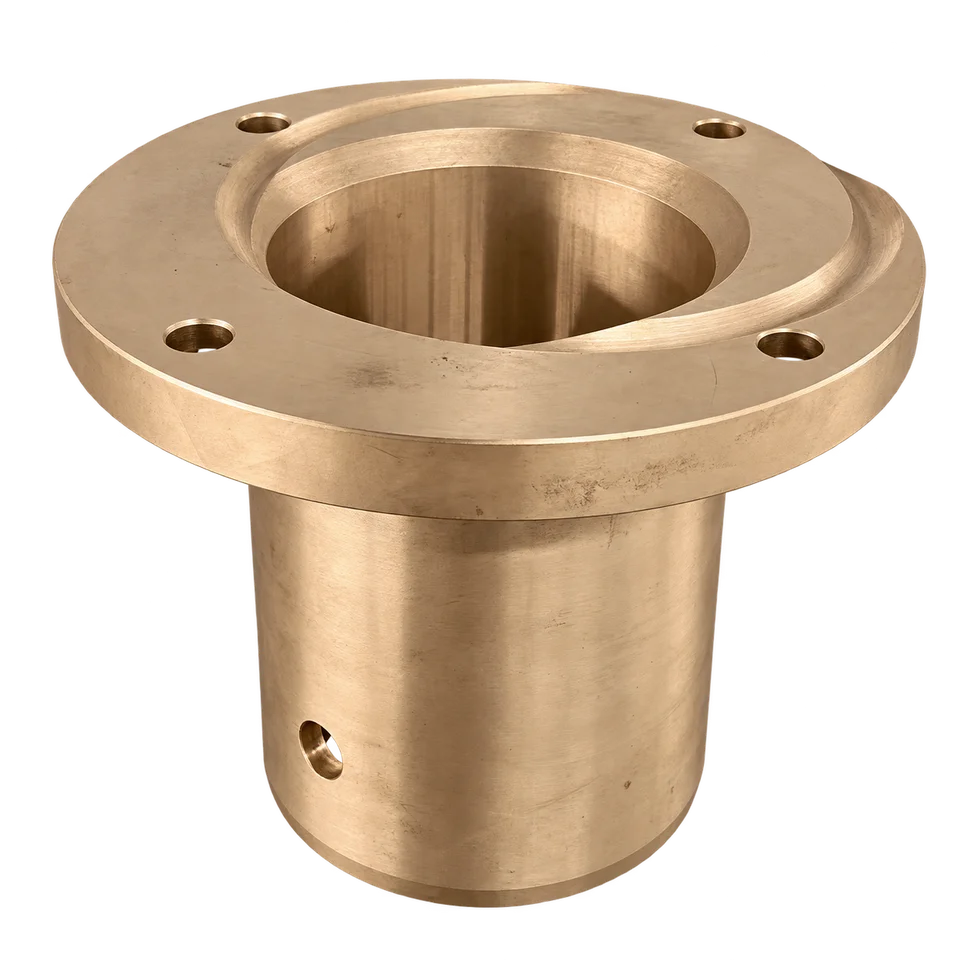
Identify sleeve bushings, flanged bushings, thrust rings and split bearing shells.

Review the shaft and housing fits alongside movement, lubricant and the mating shaft surface. Similar part shapes do not establish identical material requirements.

Worm-drive gearbox with shaft and safety guards illustration
Conceptual application illustration

Related equipment & castings

Discuss your drawing

Press guidance & lead screws

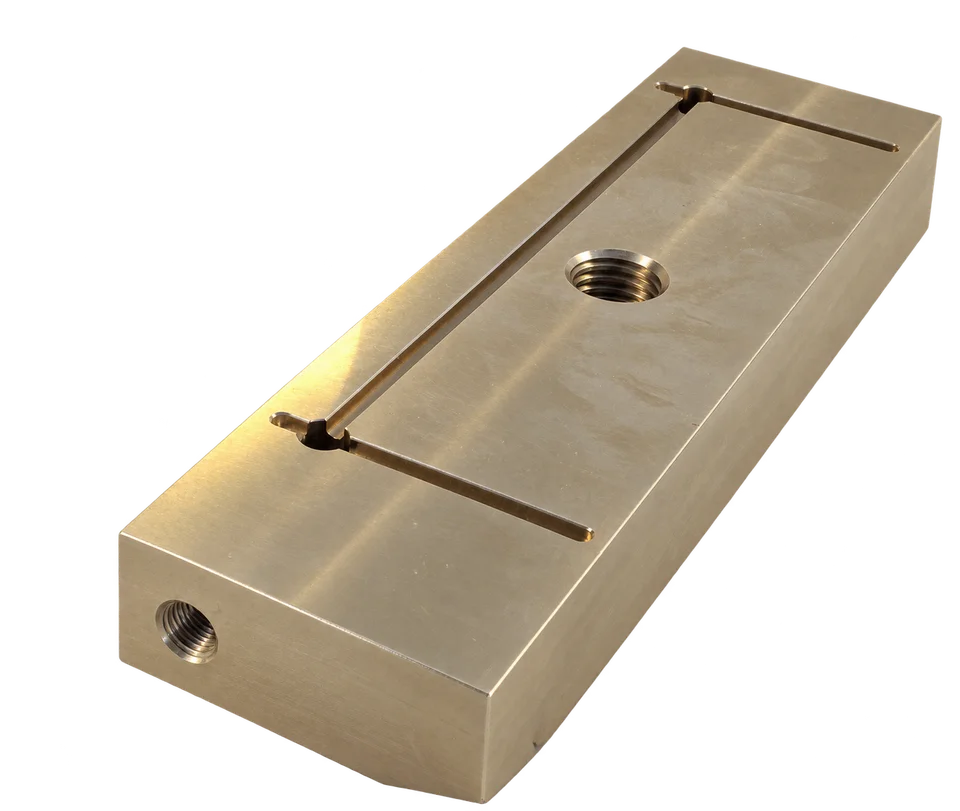
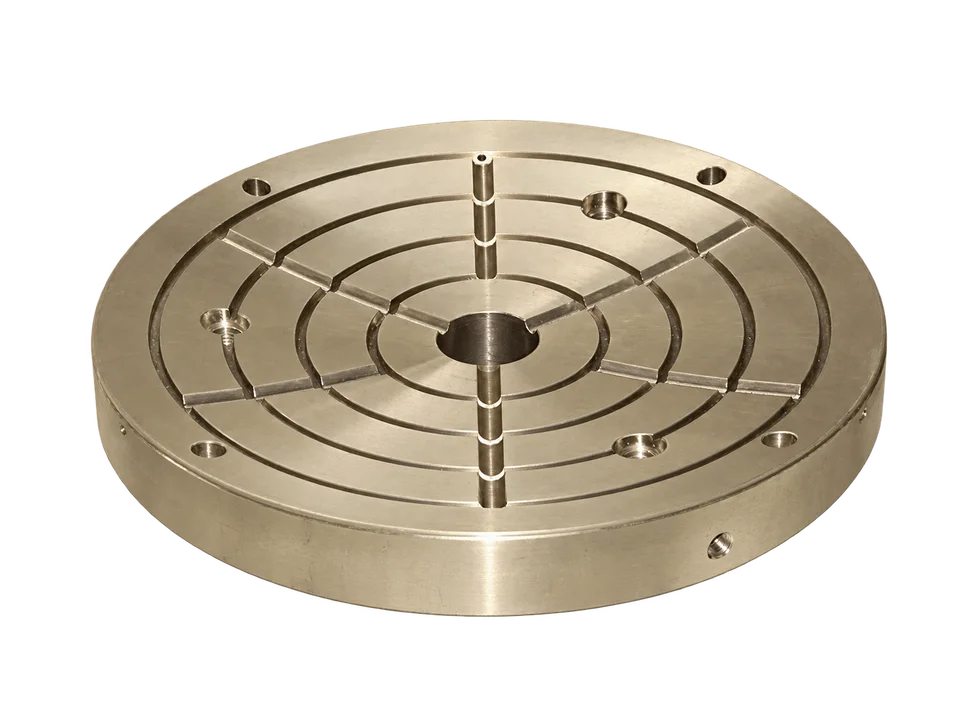
Locate guide plates, bushings, thrust rings and bronze drive-nut blanks.

For repeated press or screw movement, record load cycles, contact surfaces, lubrication and datum requirements before preparing the component enquiry.

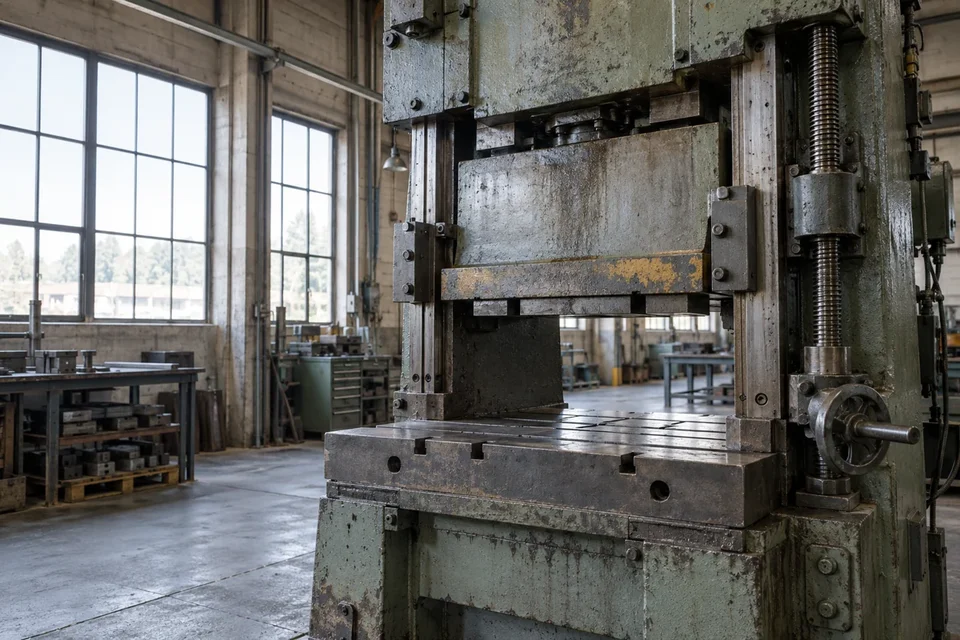
Machine press with guides and sliding surfaces illustration
Conceptual application illustration

Related equipment & castings

Discuss your drawing

Heavy machinery sliding interfaces

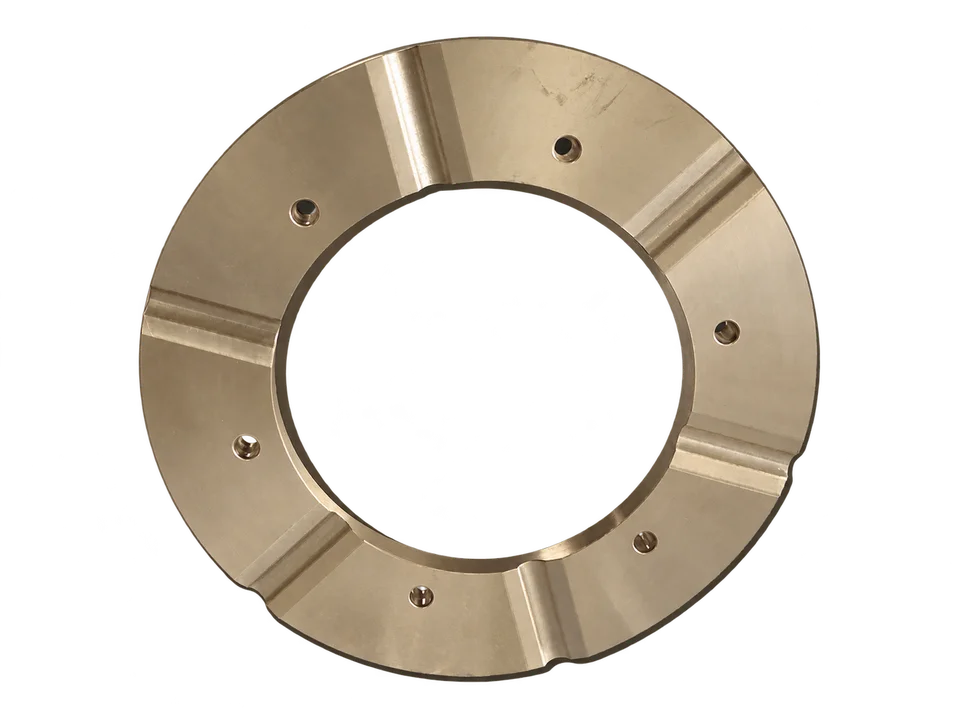
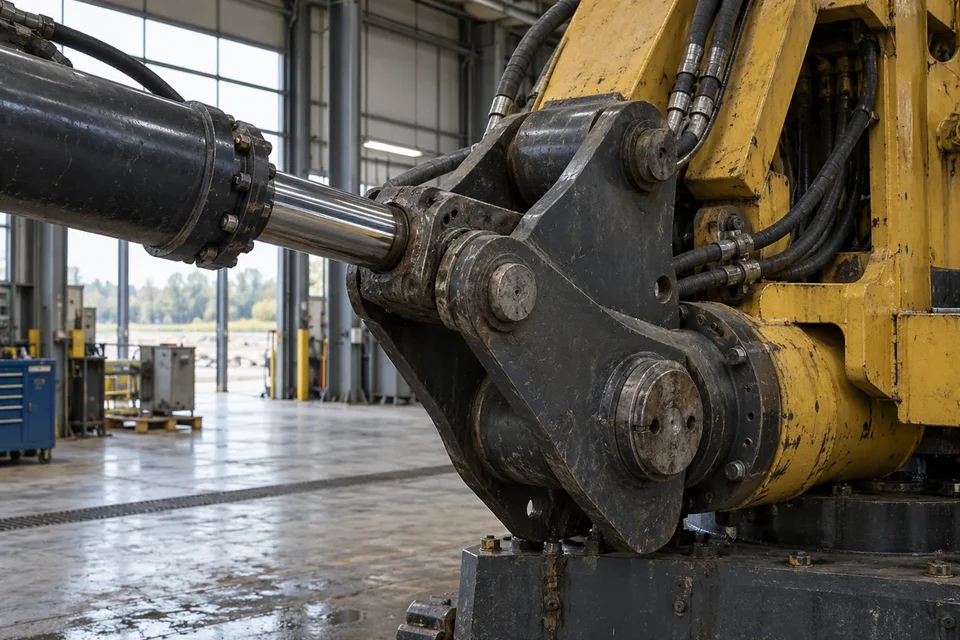
Review pivot bushings, wear plates, bearing segments and specified nut blanks.

Record impact, oscillation, dust, steel counterface condition and lubrication at the actual contact. Confirm that the equipment drawing calls for a copper alloy.

Industrial drive shaft and coupling beside machinery illustration
Conceptual application illustration

Related equipment & castings

Discuss your drawing

Machinery repair & replacement

Organize replacement parts around approved drawings, original materials and delivery condition.

Compare the worn component with its approved design and mating parts. Agree the finished dimensions and acceptance records before reproducing a part.

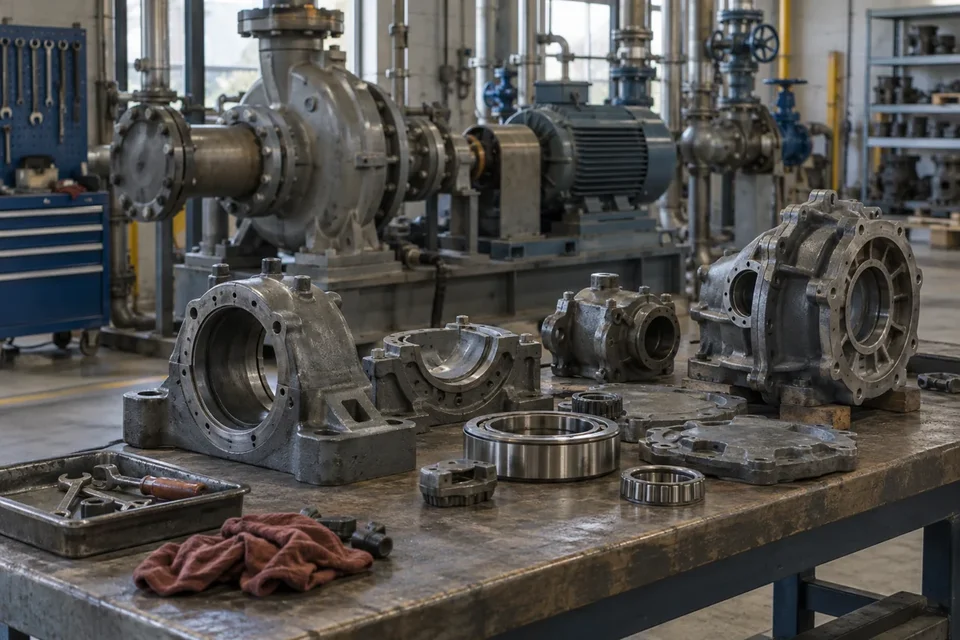
Industrial machine with bushings and wear parts on a workbench illustration
Conceptual application illustration

Related equipment & castings

Crusher shaft support

Identify the bushing, spherical seat or thrust interface in a cone or gyratory crusher.

Shaft-support layouts differ between crusher models. Start with the equipment drawing and the part location before comparing material candidates.
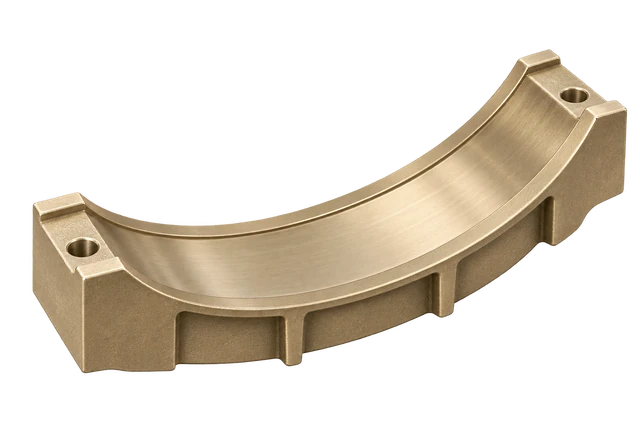
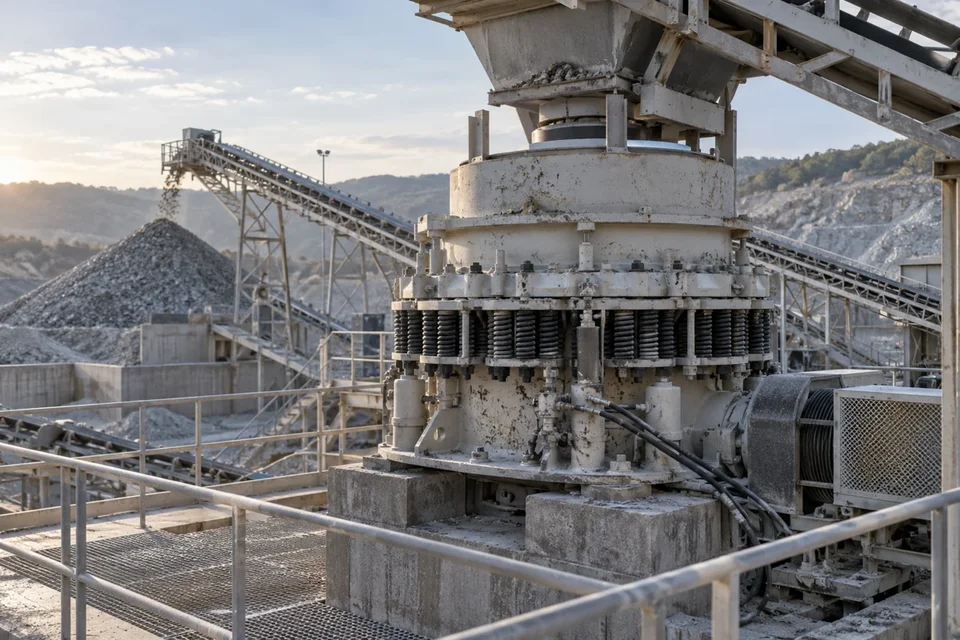
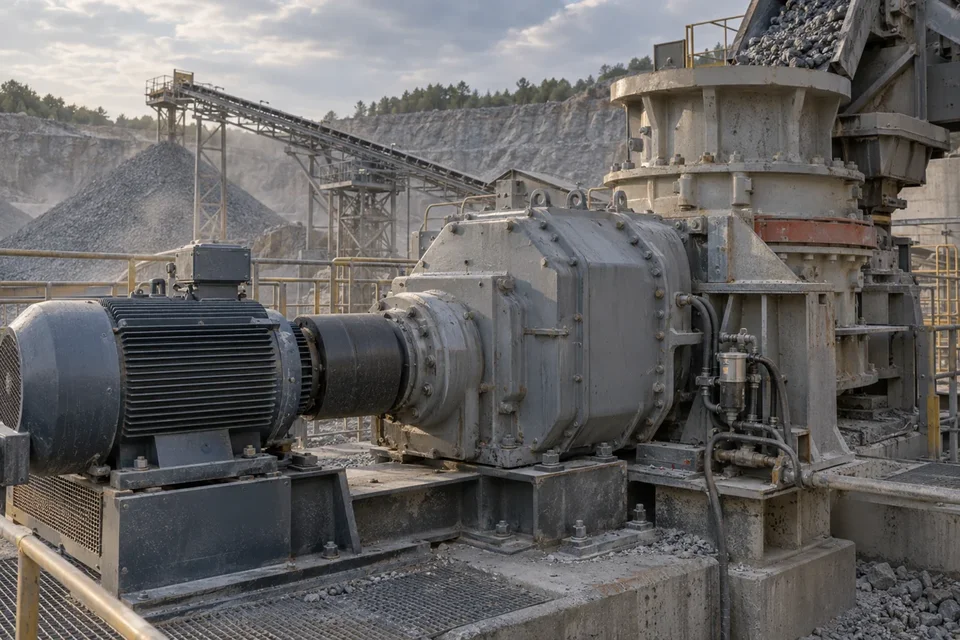
Crusher and drive shafts at an aggregate plant illustration
Conceptual application illustration

Related equipment & castings

Discuss your drawing

Eccentric & countershaft drive

Review eccentric bushings, countershaft supports and drawing-specified bronze drive blanks.
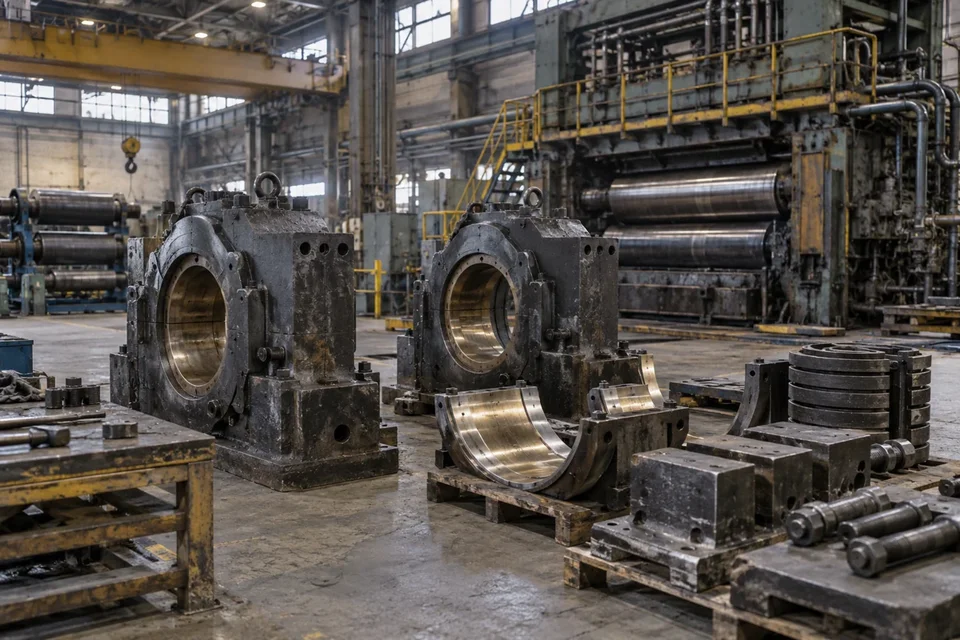
Oil grooves, shaft surfaces and clearances belong to the assembly review alongside alloy selection.

Crusher drive with motor and shaft supports illustration
Conceptual application illustration

Related equipment & castings

Discuss your drawing

Crusher bushing replacement

Prepare a replacement enquiry with the correct part identity, approved dimensions and operating history.

A worn or burnt bushing prompts a review of lubrication, shaft condition, fit and the recorded failure location. The damage alone does not identify one cause.

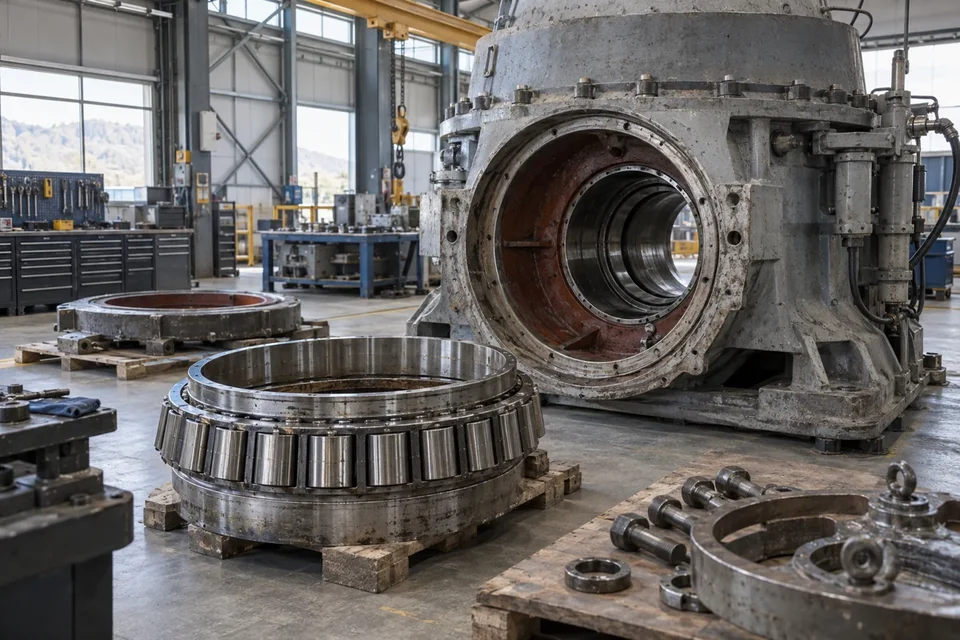
Crusher housing with bushings and wear components illustration
Conceptual application illustration

Related equipment & castings

Conveying & auxiliary wear parts

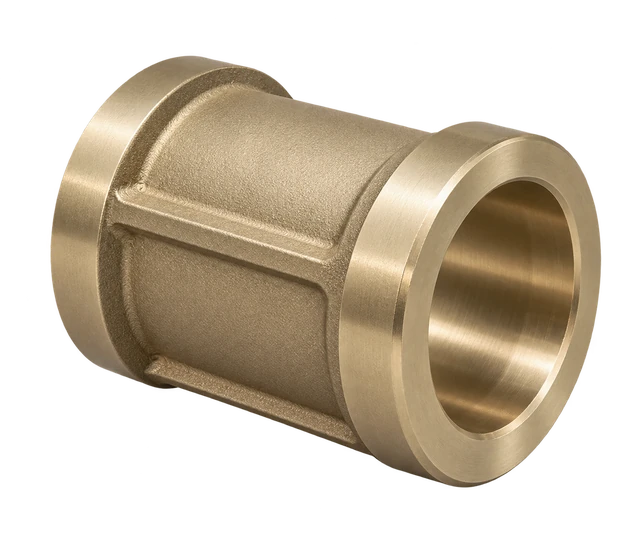
Find drawing-specified bronze guides, flanged bushings, thrust parts and transmission blanks.

For auxiliary equipment, define the motion, dust exposure, load and lubricant at the actual sliding interface.

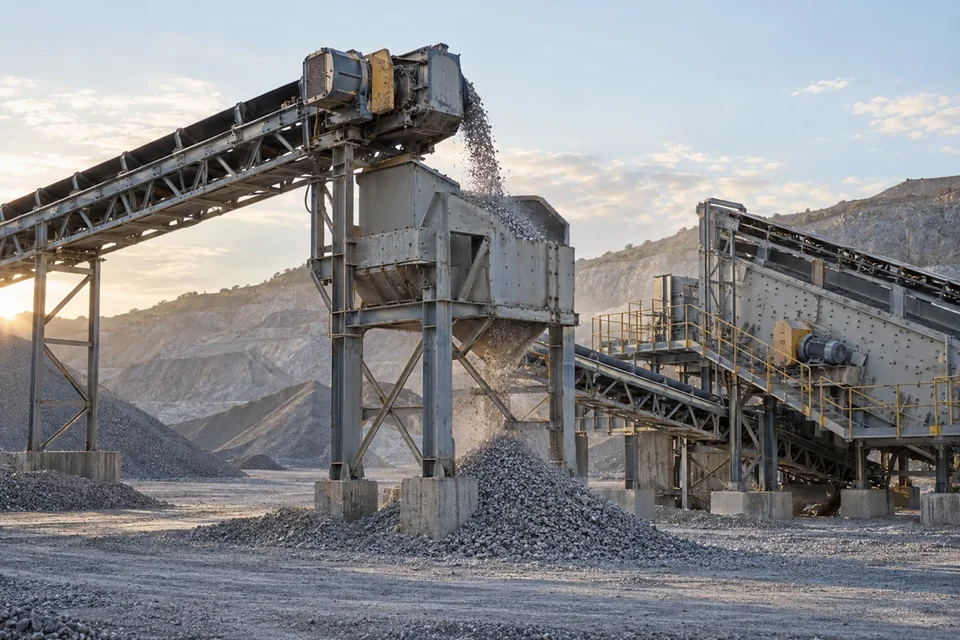
Aggregate conveyor and auxiliary drive equipment illustration
Conceptual application illustration

Related equipment & castings

Discuss your drawing

Screw-down & roll-gap adjustment

Review screw-down nut blanks, housing nut blanks and specified support or drive parts.

Start with the load-carrying nut geometry, mating screw, lubrication and machining allowance. Assign thread and gear finishing explicitly.

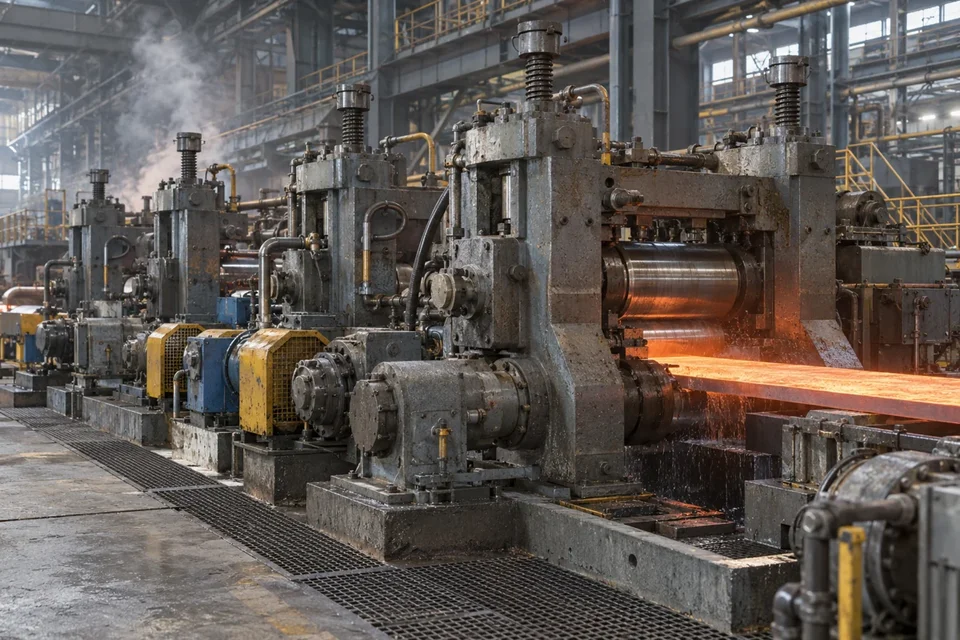
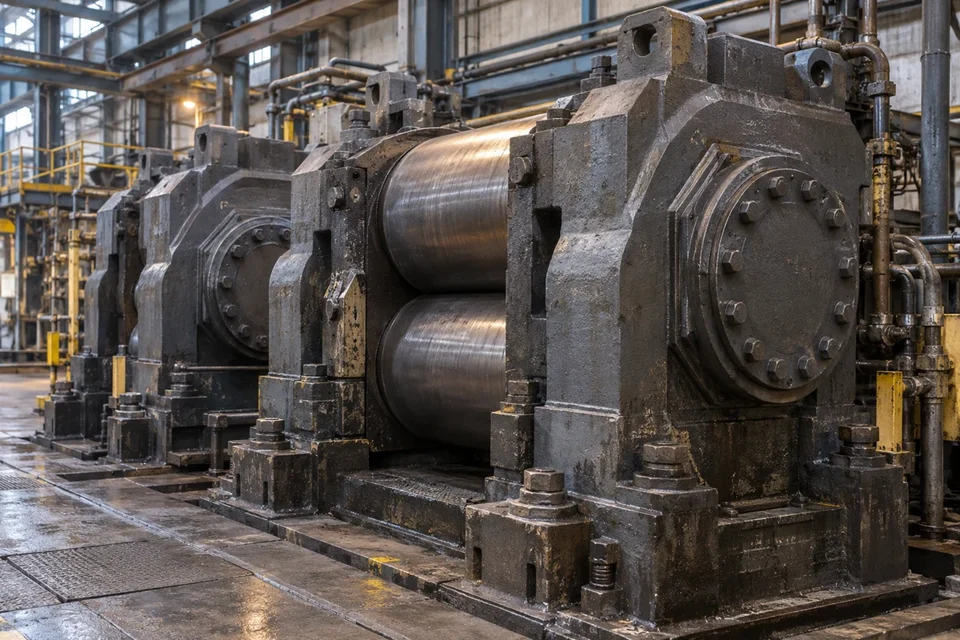
Rolling mill processing hot steel illustration
Conceptual application illustration

Related equipment & castings

Discuss your drawing

Chock & housing guides

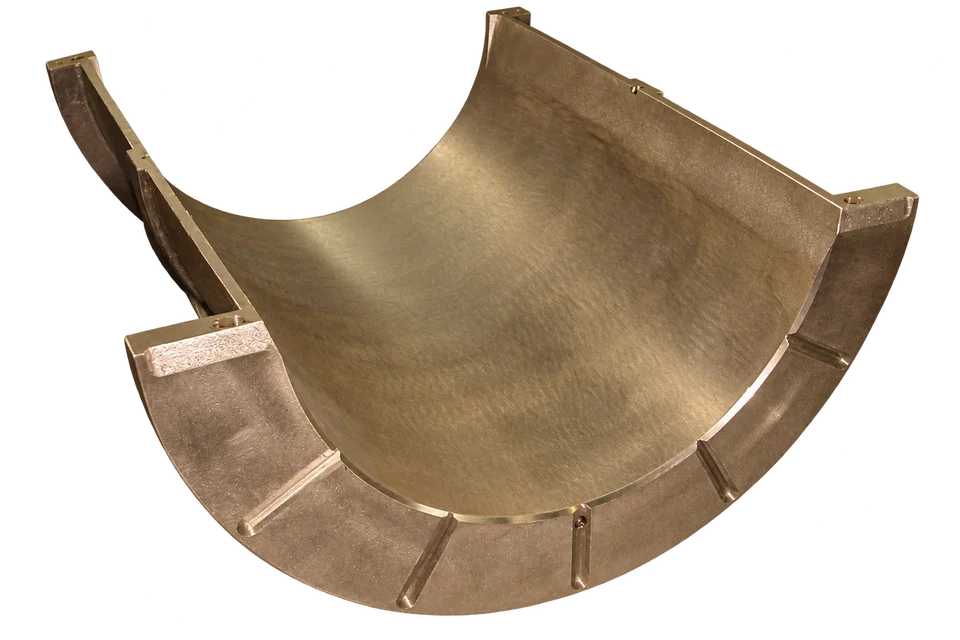
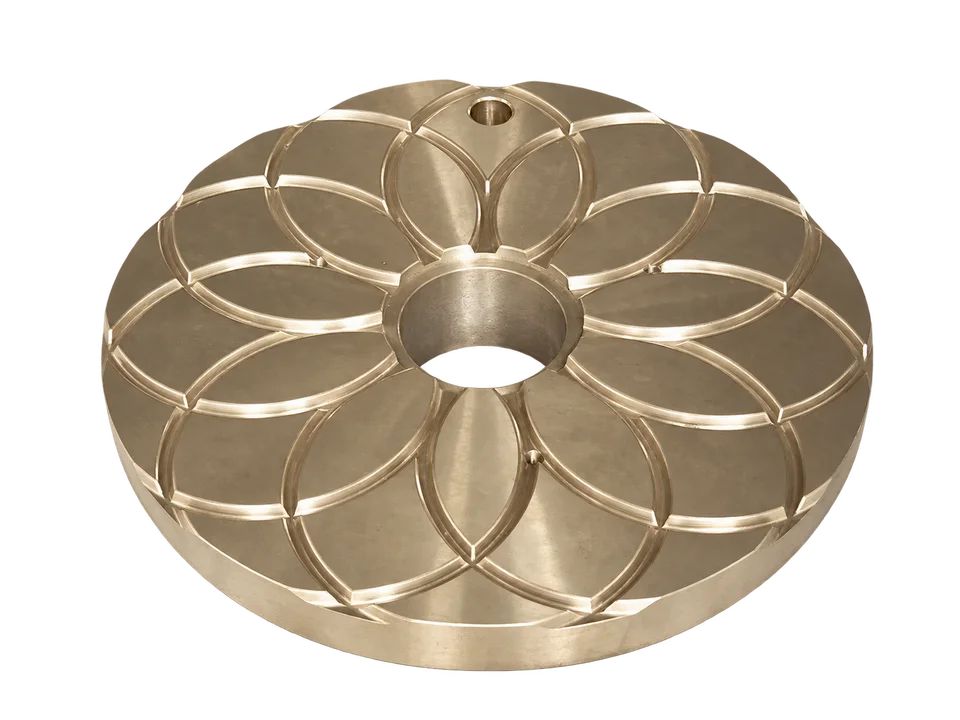
Identify replaceable sliding faces, bearing segments and local thrust or pressure components.

For each interface, record clearance, flatness, contact load, lubrication and actual part temperature. Match the material to that specific position.

Rolling-mill housings and chocks in a steel workshop illustration
Conceptual application illustration

Related equipment & castings

Discuss your drawing

Downcoilers & auxiliary mechanisms

Explore wear liners, bearing parts and blanks used in specified auxiliary mill designs.

Describe the sliding movement, counterface, heat exposure and access for replacement at the chosen mechanism.

Steel-strip downcoiler and guide equipment illustration
Conceptual application illustration

Related equipment & castings

Discuss your drawing

Mill maintenance & replacement

Prepare repeat or replacement enquiries using approved drawings and part-specific acceptance requirements.

Organize the work by component identity, drawing revision, material, mating condition and delivery form. Agree the records needed to link each batch to its acceptance.

Rolling-mill maintenance area with replacement components illustration
Conceptual application illustration

Related equipment & castings