HVAC & cooling systems

Building hydronic control & balancingDistrict heating & cooling substationsDomestic hot-water circulationWater-side component replacementFacility water & CDU primary sideTechnology cooling loop candidatesCold plates & serviceable connectionsPrototype development & qualification

Building hydronic control & balancing

Follow the water path through control, balancing, circulation and filtration components in a closed heating or chilled-water circuit.

For valve and circulation-pump OEMs specifying bodies and internal components. Start with the approved equipment design, then identify which individual parts use copper alloys.
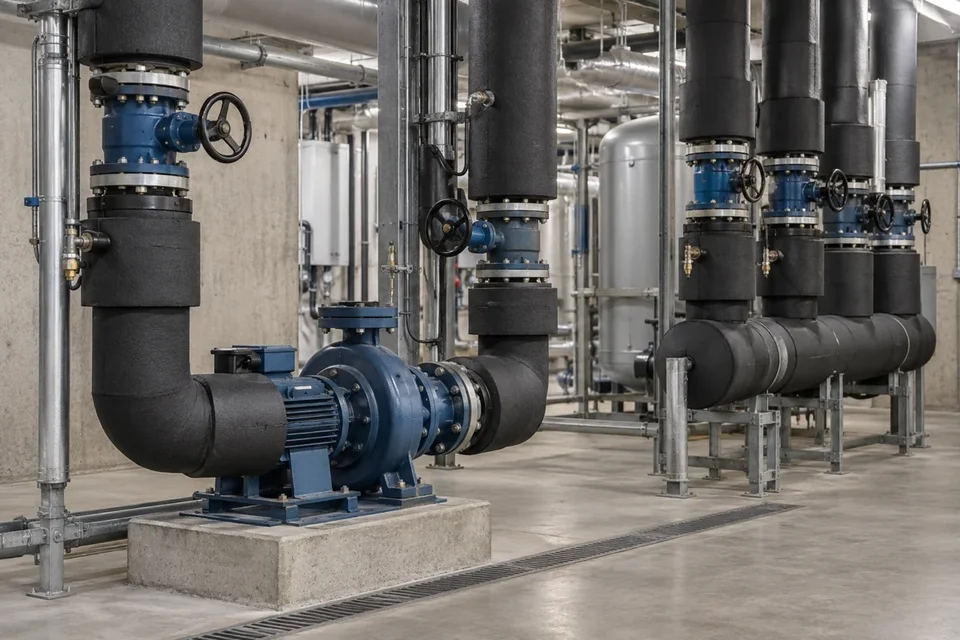
Hydronic balancing valves and building pipework illustration
Conceptual application illustration

Related equipment & castings

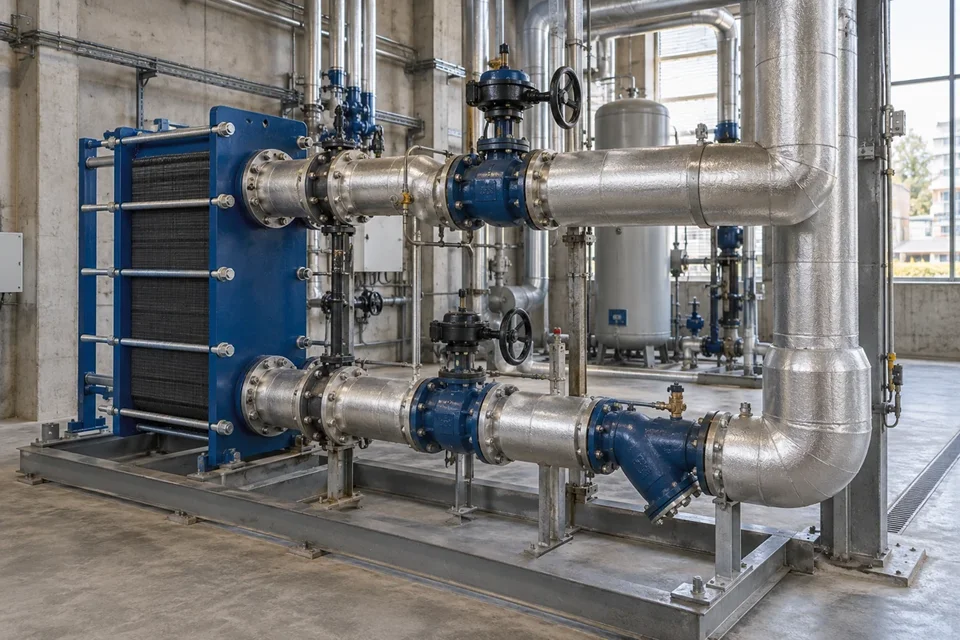
District heating & cooling substations

Review the water-side castings used around a heat-exchanger skid: regulating valves, balancing valves, strainers and drawing-defined connections.

For district-energy and skid OEMs defining the actual fluid, temperature cycles, pressure conditions and service interfaces for each pressure-containing part.

District-heating heat exchanger and circulation pipework illustration
Conceptual application illustration

Related equipment & castings

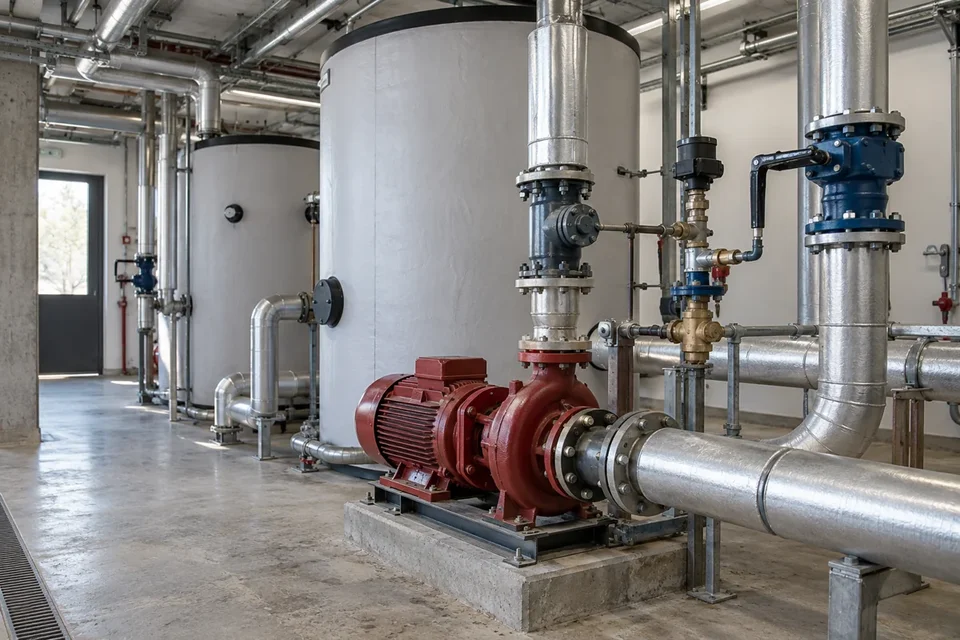
Domestic hot-water circulation

Keep potable hot-water material approval separate from ordinary closed-loop hydronic selection.

For hot-water equipment and pump OEMs assessing specified housings, covers, check valves and fittings. Identify every wetted material and the exact finished-part qualification requirements.

Domestic hot-water circulation pump and pipework illustration
Conceptual application illustration

Related equipment & castings

Water-side component replacement

Build a replacement enquiry around the approved drawing revision, original material and mating interfaces.

For equipment OEM service teams and pump/valve repair suppliers. A worn sample can help identify the part, but the approved dimensions, material and acceptance criteria must define the replacement.

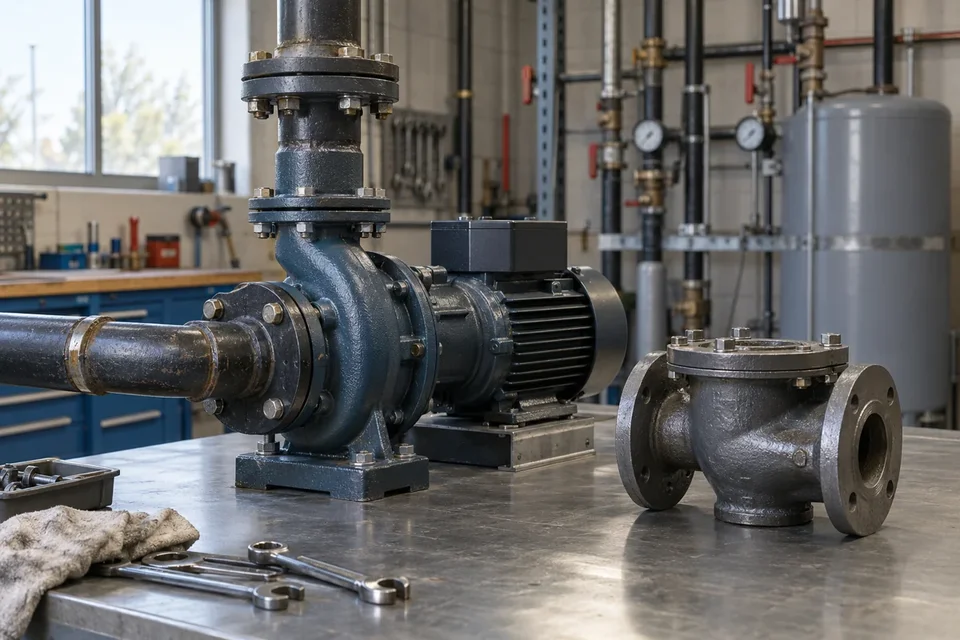
Water-side pump and connection components on a workbench illustration
Conceptual application illustration

Related equipment & castings

Facility water & CDU primary side

Start with the facility-water circuit and the customer's actual pump, valve, filter and distribution drawings.

For CDU and facility-cooling OEM teams defining candidate components on the facility water system (FWS). Confirm water quality, operating conditions and every wetted material before assessing a copper-alloy route.

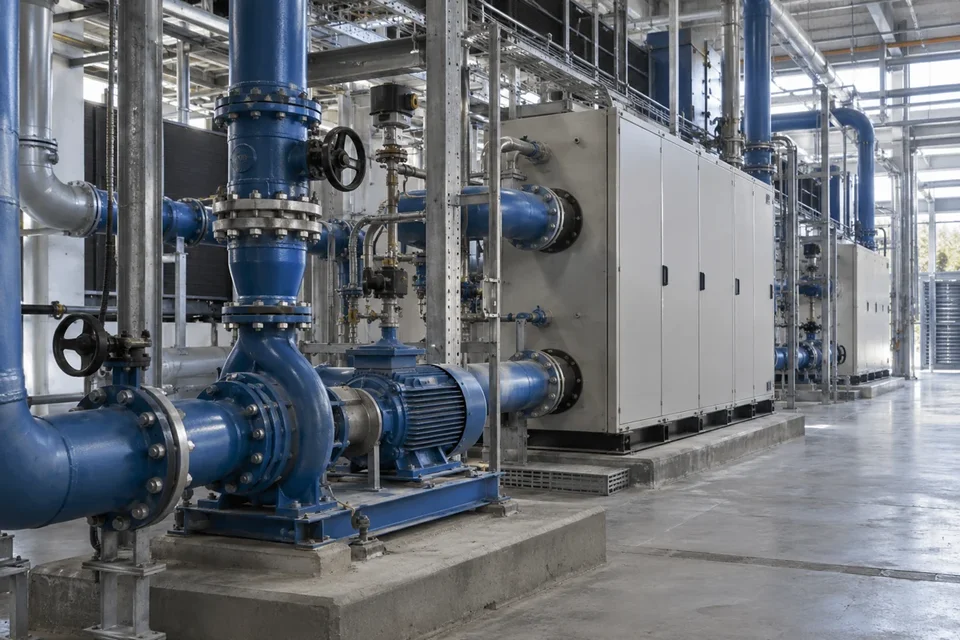
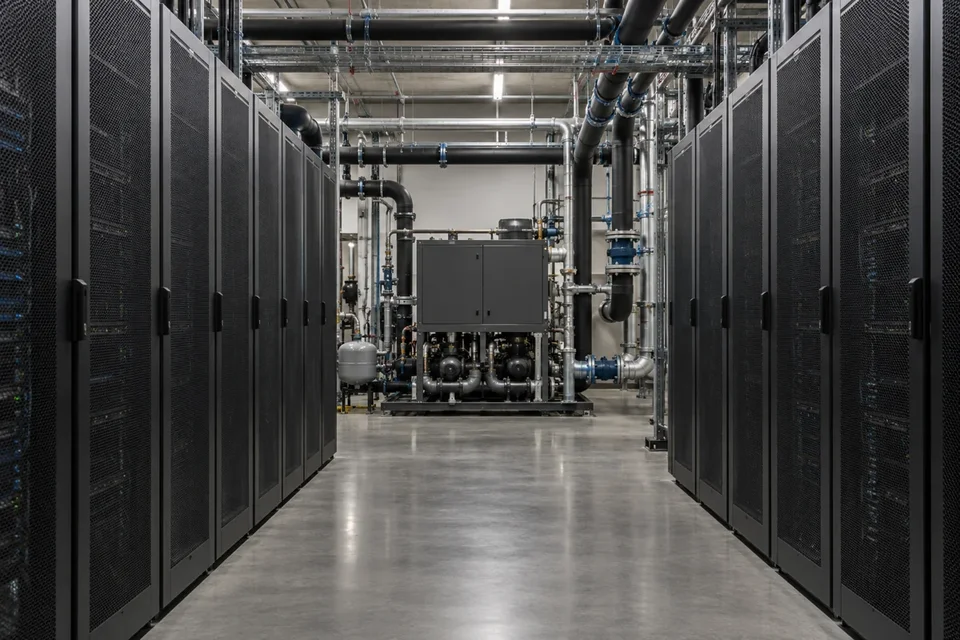
Facility-water pumps and pipework for data-centre cooling illustration
Conceptual application illustration

Related equipment & castings

Discuss your drawing

Technology cooling loop candidates

Assess a copper-alloy component only after the OEM approves the material and manufacturing route for the actual technology cooling system.

For CDU, pump/valve and liquid-cooling module engineers reviewing the secondary loop from the CDU toward rack and server equipment. The coolant, wetted-material set and contamination limits define the study.

Data-centre server racks with cooling pipework illustration
Conceptual application illustration

Related equipment & castings

Discuss your drawing

Cold plates & serviceable connections

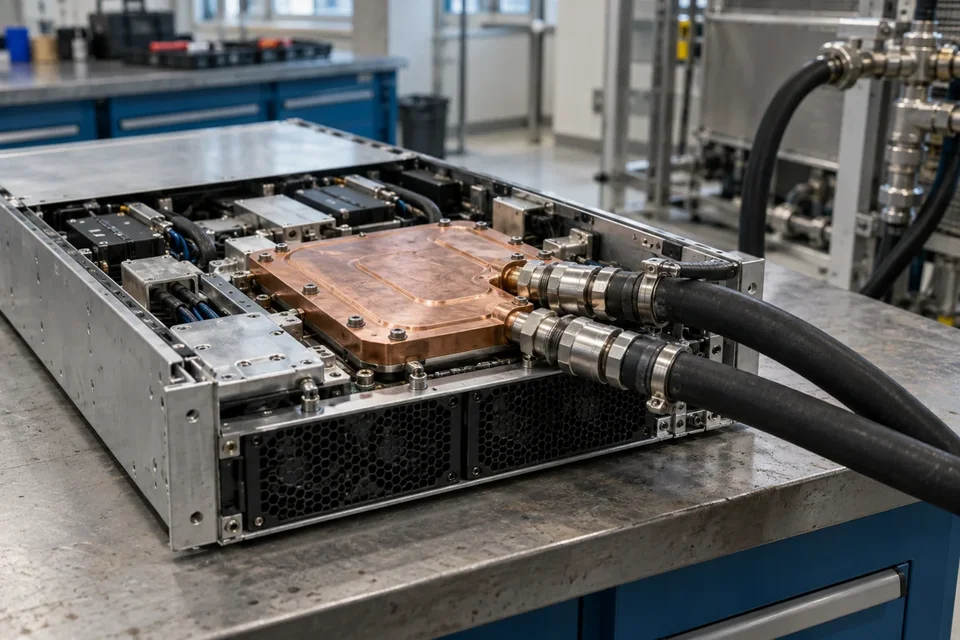
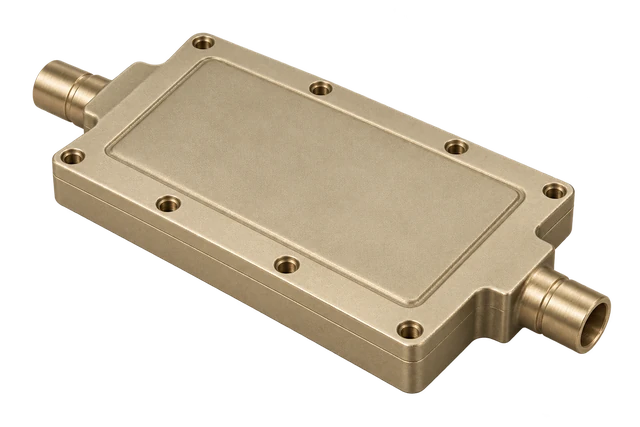
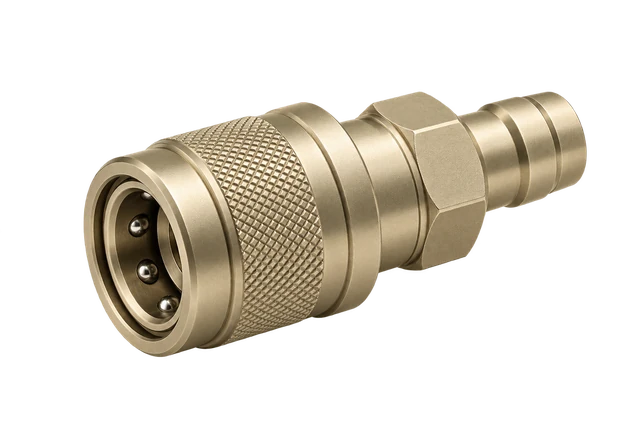
Use cold plates and quick-disconnects to understand loop interfaces and the additional manufacturing steps they require.

For thermal-management OEMs evaluating an adjacent manufacturing proposal. Cold-plate channel and joining requirements differ from a pressure-housing casting; quick-disconnect performance involves the complete sealed assembly.

Copper cold plate with liquid-cooling hoses illustration
Conceptual application illustration

Related equipment & castings

Discuss your drawing

Prototype development & qualification

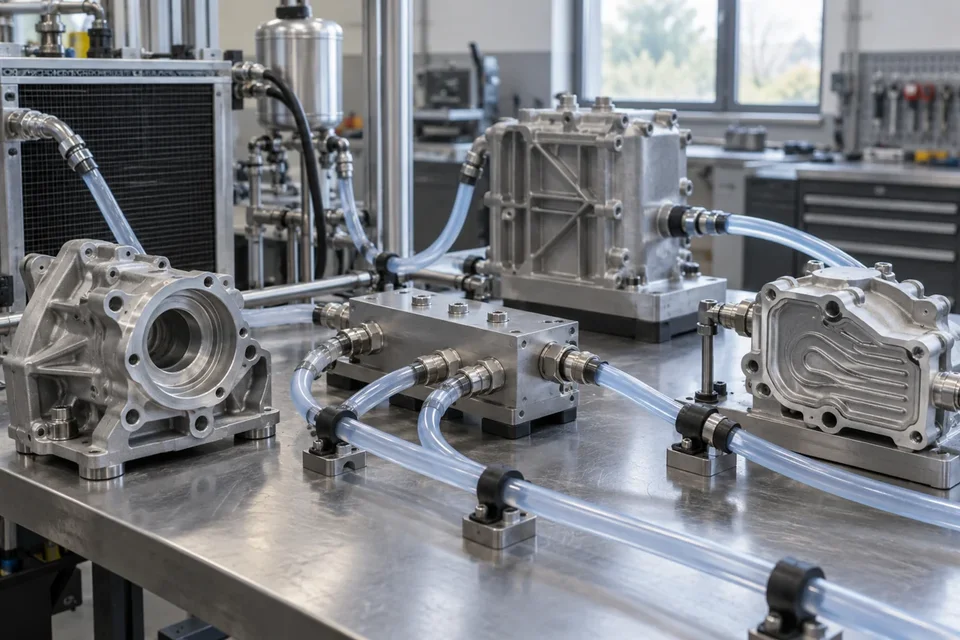
Make the study reviewable with approved drawings, written material requirements and explicit sample acceptance gates.

For OEM engineering and procurement teams deciding whether a proposed component and manufacturing route merit prototyping. Define responsibilities for forming, machining, cleaning, joining and verification before release.

Liquid-cooling component prototypes on a workbench illustration
Conceptual application illustration

Related equipment & castings