ZHIREN CASTING
About Us
Over 30 years of expertise in precision manufacturing.
COMPANY PROFILE
Empowering Global Industrial Innovation through Precision Casting
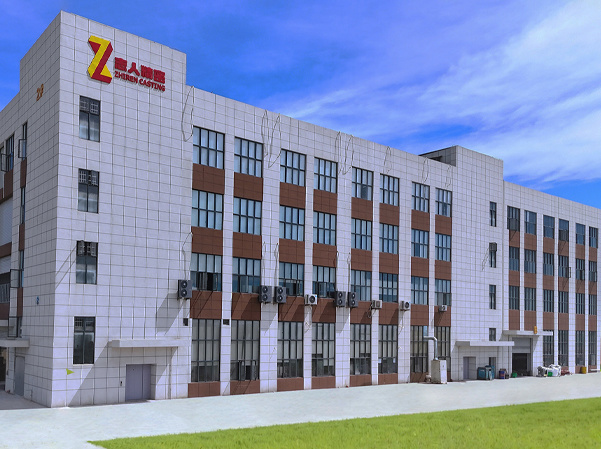
Established in 1993 and headquartered on Yangzhou Island along the Gan River in Jiangxi Province, China, Jiangxi Zhiren Stainless Steel Products Co., Ltd. is strategically positioned near the iconic Tengwang Pavilion—a millennium-old cultural landmark. Blending the poetic essence of Jiangnan with modern industrial prowess, the company leverages its proximity to the Ganjiang Bridge transportation hub to maintain a globally integrated supply chain. As a core member of the China Foundry Association, Zhiren boasts over 30 years of expertise in precision casting, supported by a workforce of 260 skilled technicians and 50 senior engineering professionals. In 2002, the company expanded its capabilities by founding Jiangxi Gaoyan Power Equipment Co., Ltd., a subsidiary dedicated to delivering comprehensive, industry-specific solutions.
MANUFACTURING
Advanced Manufacturing Ecosystem
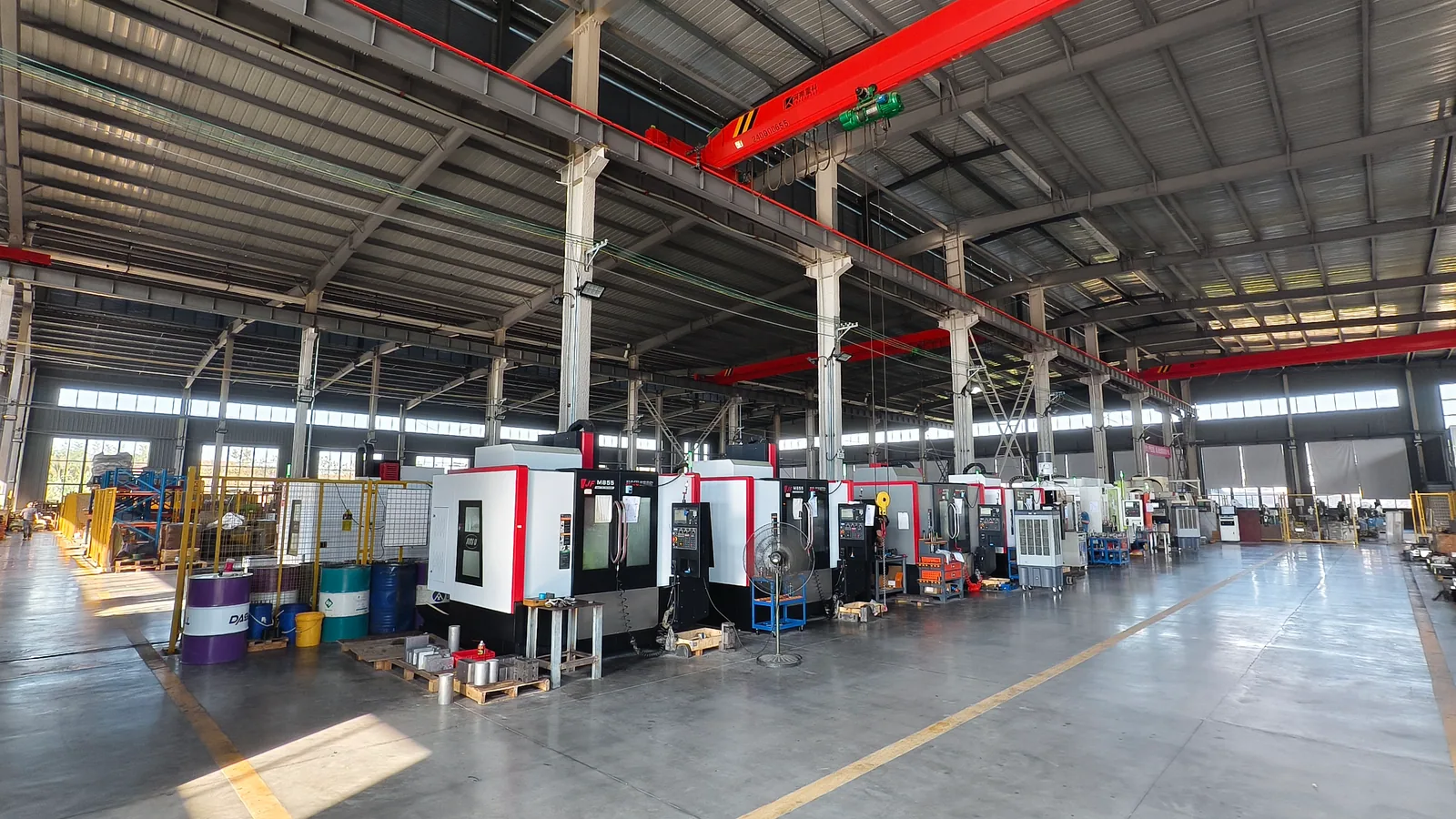
Zhiren operates silica sol-based investment casting lines integrated with digital modeling technology, enabling end-to-end precision control from 3D design to finished product. Our state-of-the-art quality assurance suite—including SPECTRO optical emission spectrometers (Germany) and metallurgical microscopes—ensures 99.99% material purity and compliance with ASTM, DIN, and ISO standards.
THE MANUFACTURING PROCESS
Manufacturing Process & Quality Commitment
PROCESS · 01
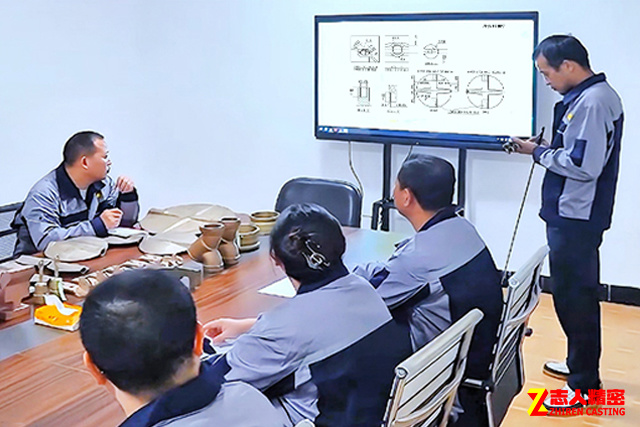
Manufacturability Analysis
Evaluate the part design against the characteristics of investment casting (e.g., minimum wall thickness, core formation limitations, hot spot locations). If the design may lead to casting defects (such as shrinkage or hot tearing), modification suggestions should be proposed at this stage.
PROCESS · 02
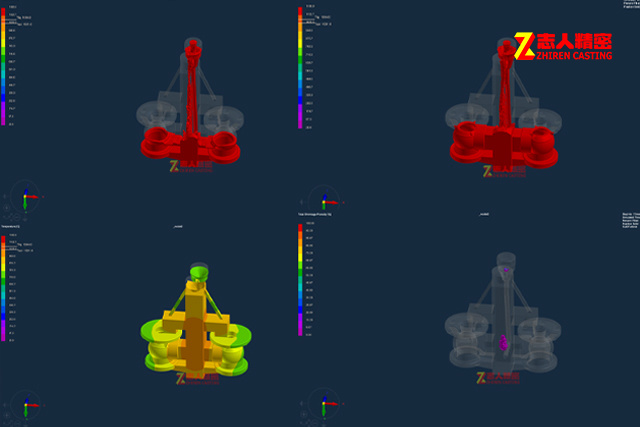
3D Simulation of Gating Systems
Through computer simulation, the gating system design is validated, enabling high-precision prediction of the mold filling flow, solidification process, temperature field evolution, and defect formation of the molten metal within the cavity. The core goal is to eliminate or reduce internal defects such as shrinkage cavities, porosity, misruns, and gas entrapment, thereby improving the process yield.
PROCESS · 03
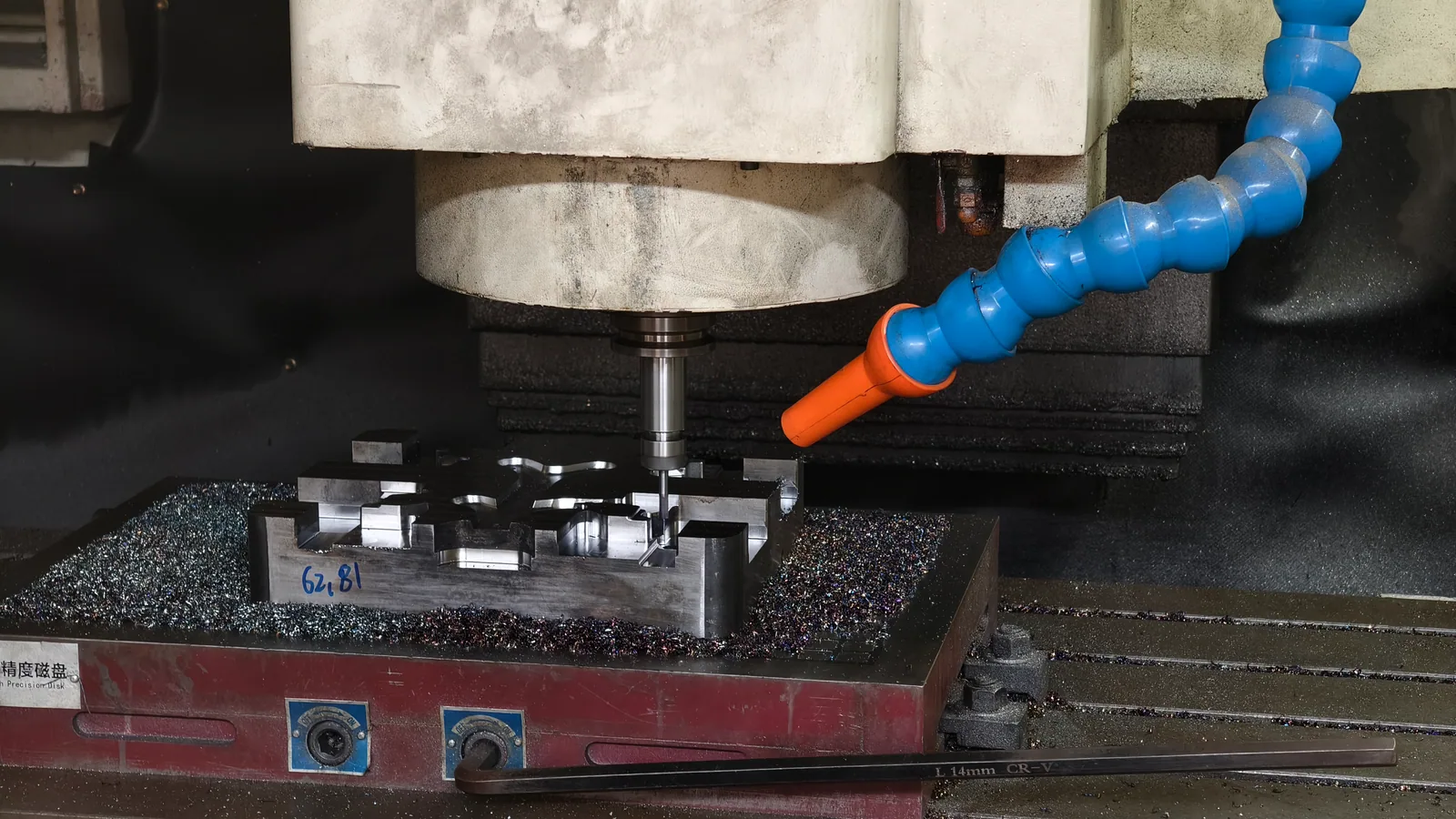
Pattern Production
Create a metal die based on part drawings; inject molten wax under pressure to form a high-precision wax pattern, followed by trimming and deburring to ensure surface finish and dimensional accuracy.
PROCESS · 04
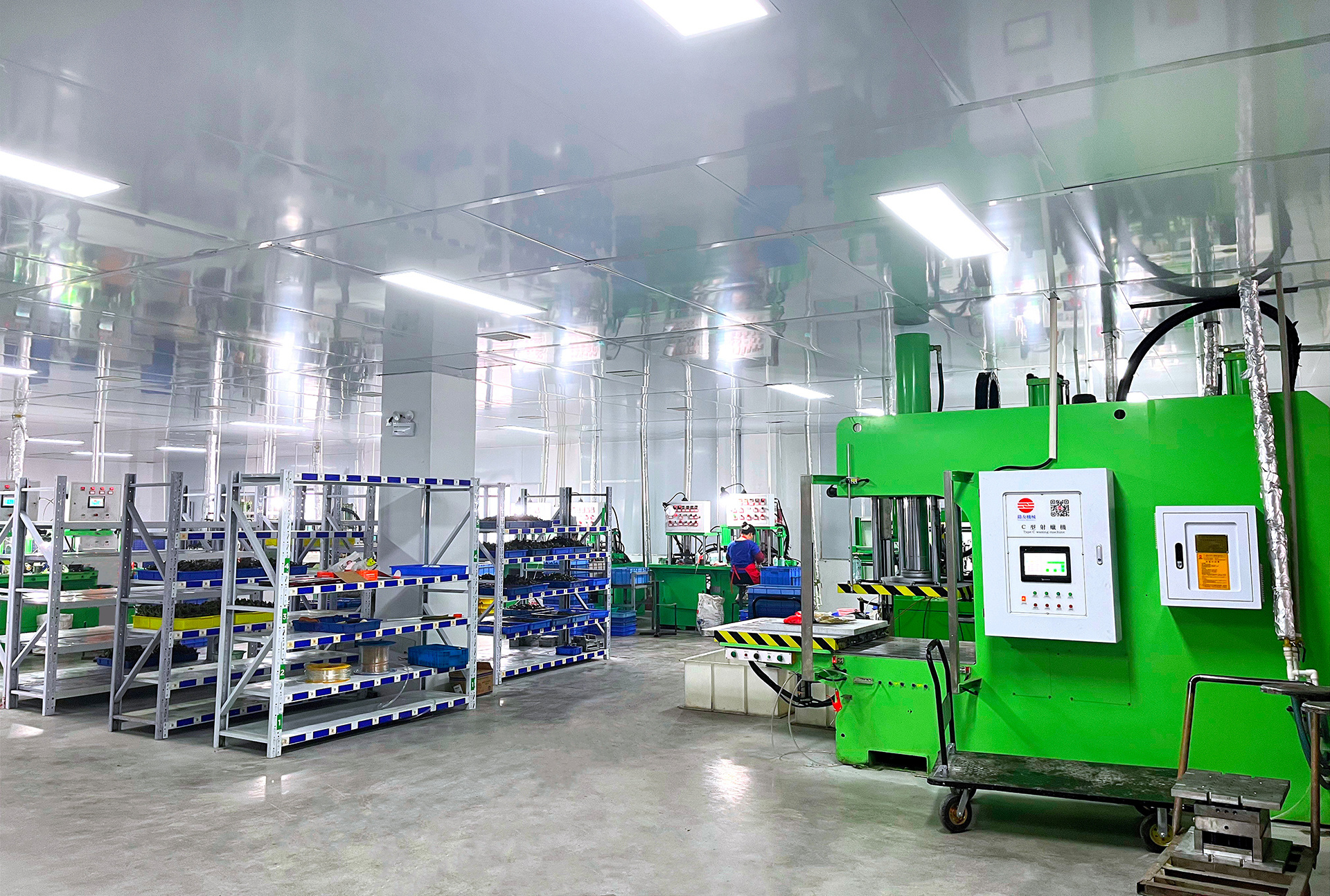
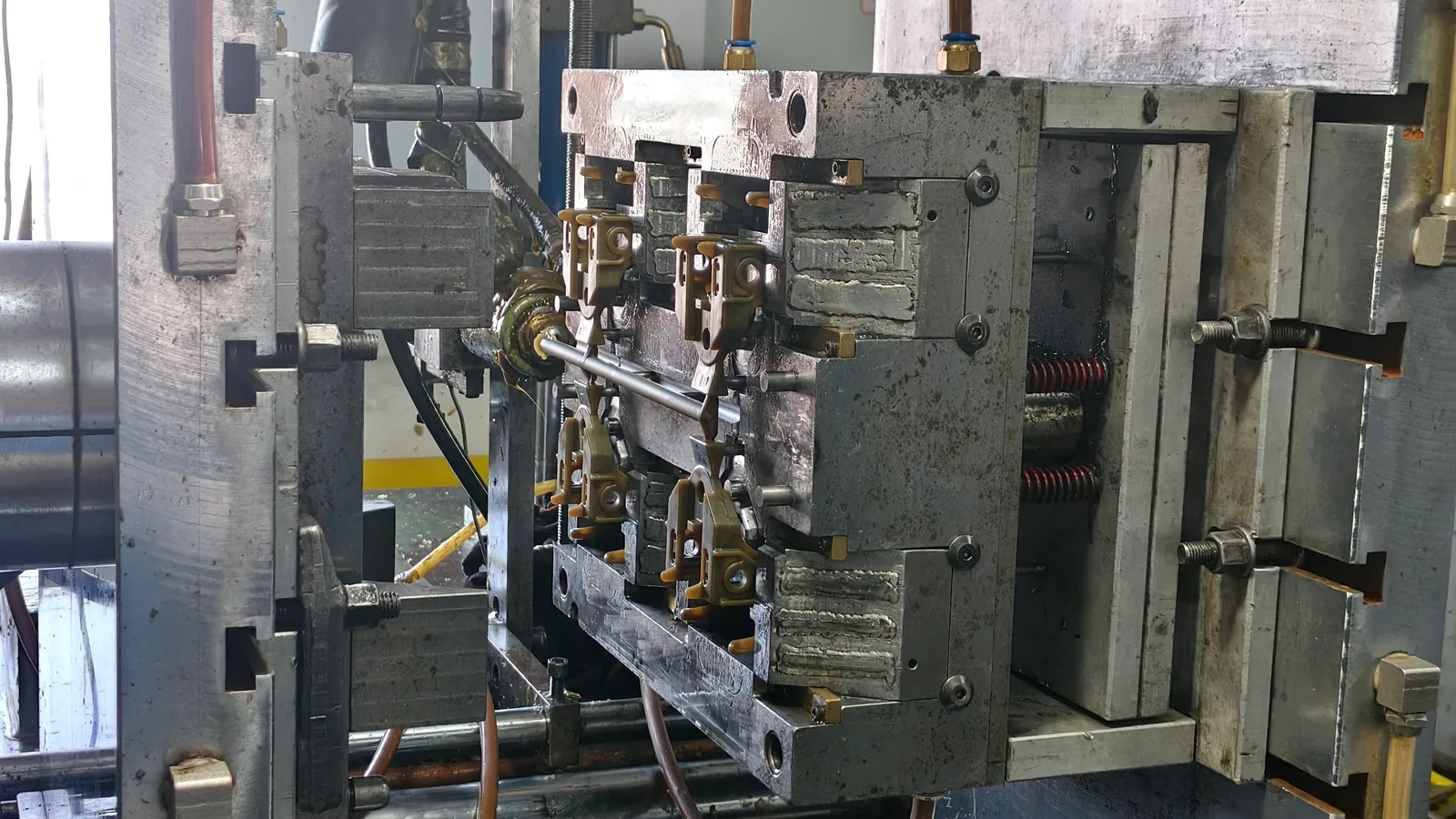
Wax Pattern Injection
Molten wax or plastic is injected into the die and cooled to form a pattern identical to the final part.
PROCESS · 05
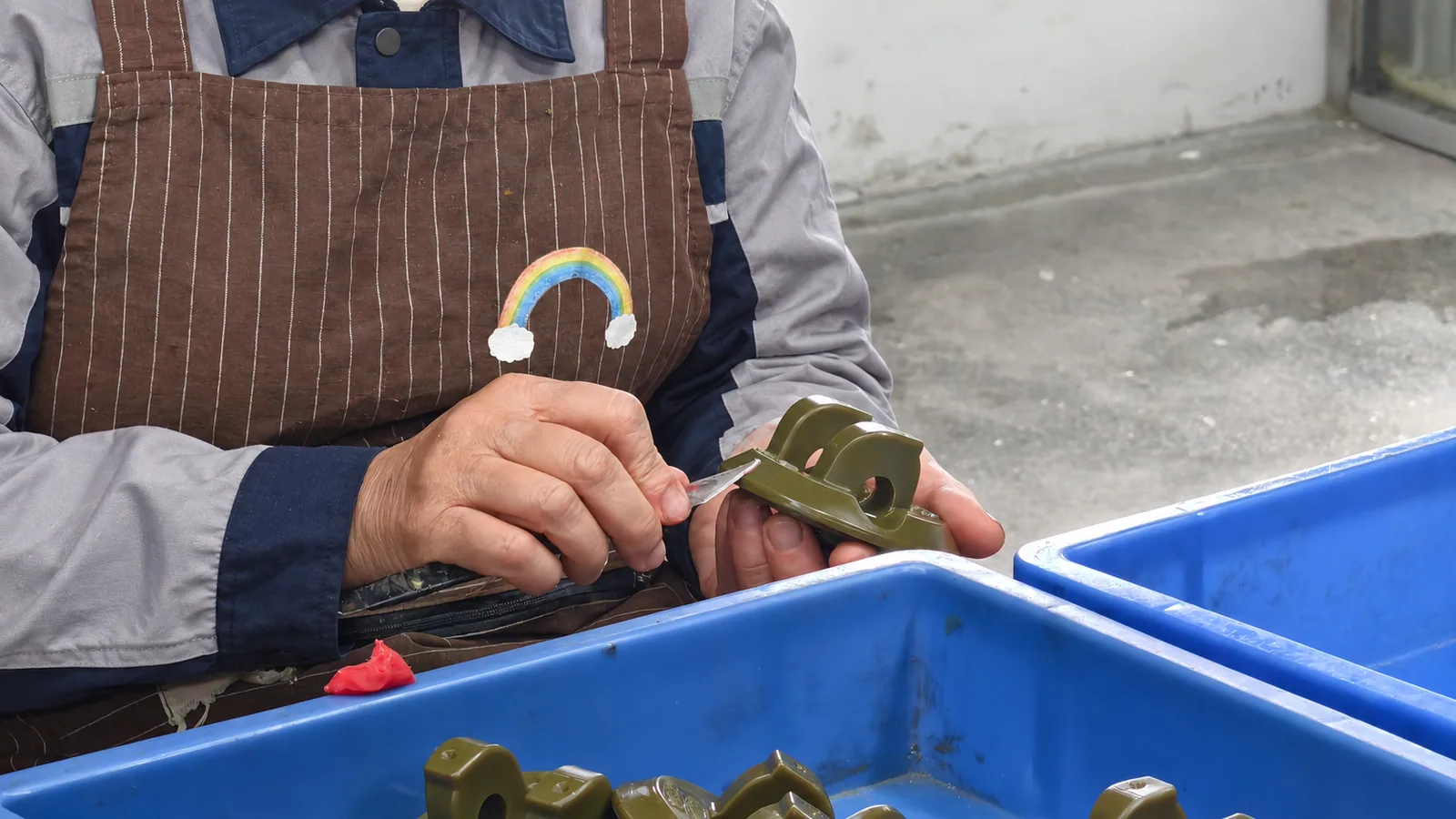
Wax Pattern Repair
Manually remove flash and imperfections; conduct dimensional and visual inspection on wax patterns.
PROCESS · 06
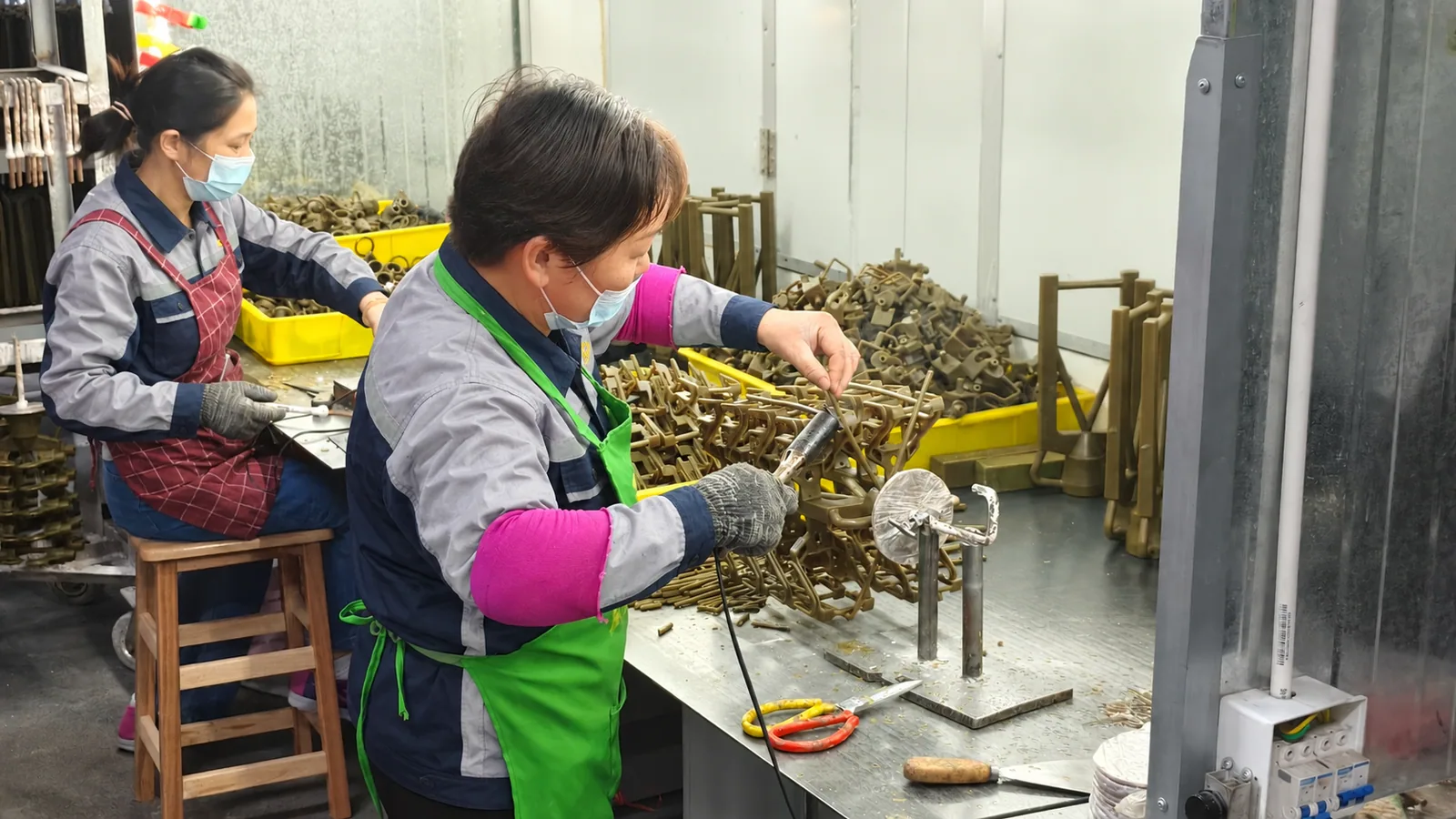
Wax Tree Assembly
Attach individual wax patterns to a central wax sprue to form a “wax tree,” enabling simultaneous casting of multiple parts and uniform metal flow.
PROCESS · 07
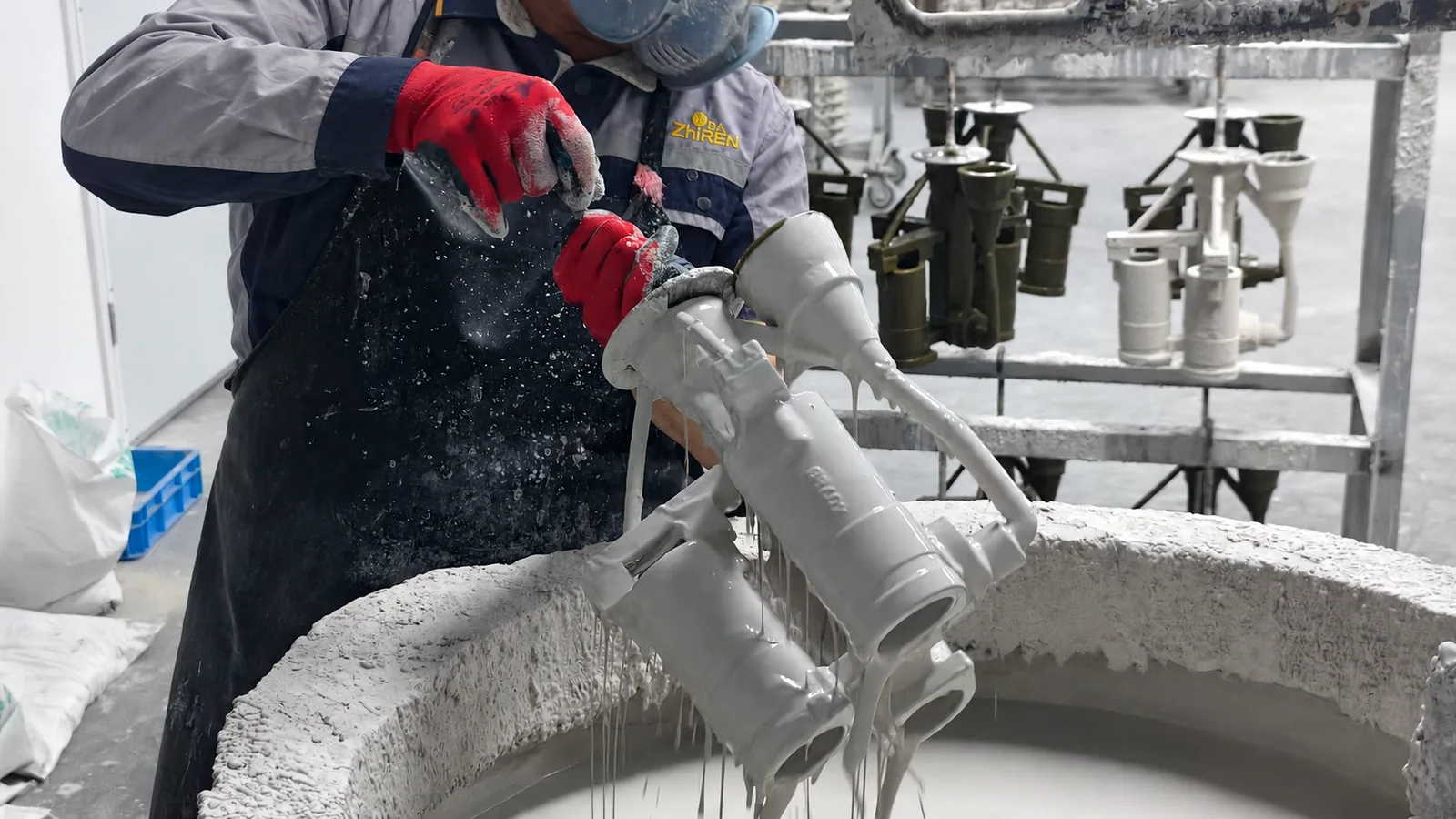
Shell Building
Dip the wax tree into a refractory slurry (e.g., silica sol), followed by stuccoing with fine zircon or quartz sand; repeat 5–7 times to build a thick, high-strength ceramic shell.
PROCESS · 08
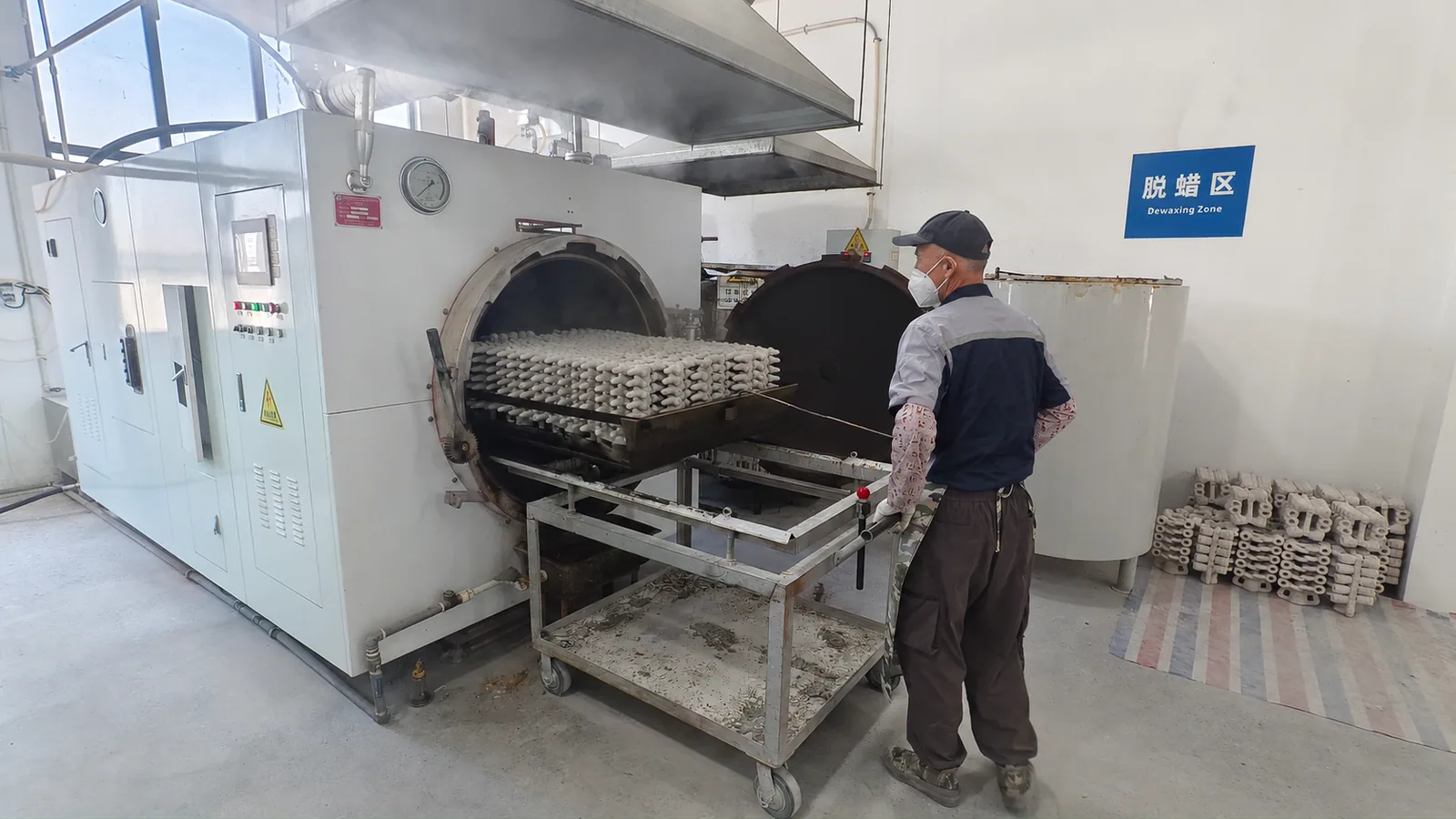
Dewaxing
Heat the dried shell in a steam autoclave or furnace to melt and drain the wax, leaving a hollow cavity matching the original pattern.
PROCESS · 09
Shell Firing
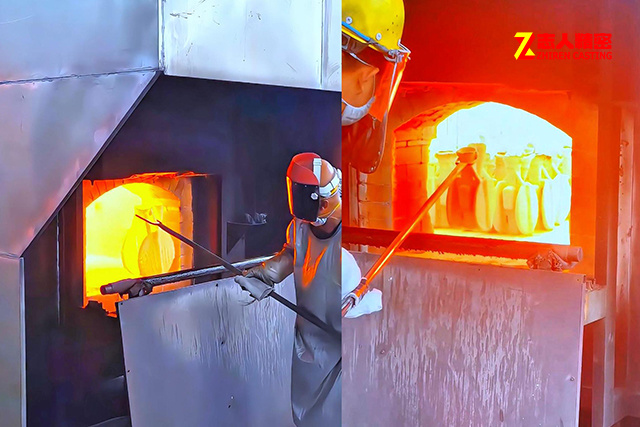
The dewaxed ceramic shell is fired in a kiln at very high temperatures (often exceeding 1000°C). This process burns off any residual wax, sinters the ceramic to achieve its final strength and permeability, and preheats the shell to an optimal temperature for casting.
PROCESS · 10
Melting, Sampling and Spectral Analysis
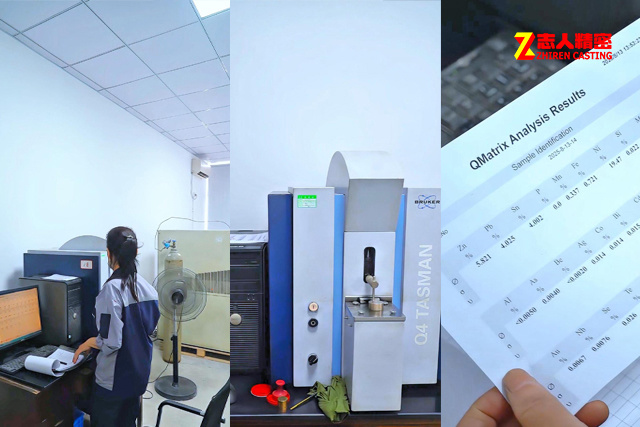
After the brass alloy is melted in the furnace, a sample of the molten metal is taken, cooled, and then analyzed using a spectrometer for chemical composition. The inspector issues a complete composition test report, which is compared against the customer’s specified composition requirements. If the comparison meets the requirements, the process proceeds to the next step—casting. If the comparison does not meet the requirements, casting is stopped, and the melting process is repeated.
PROCESS · 11
Pouring
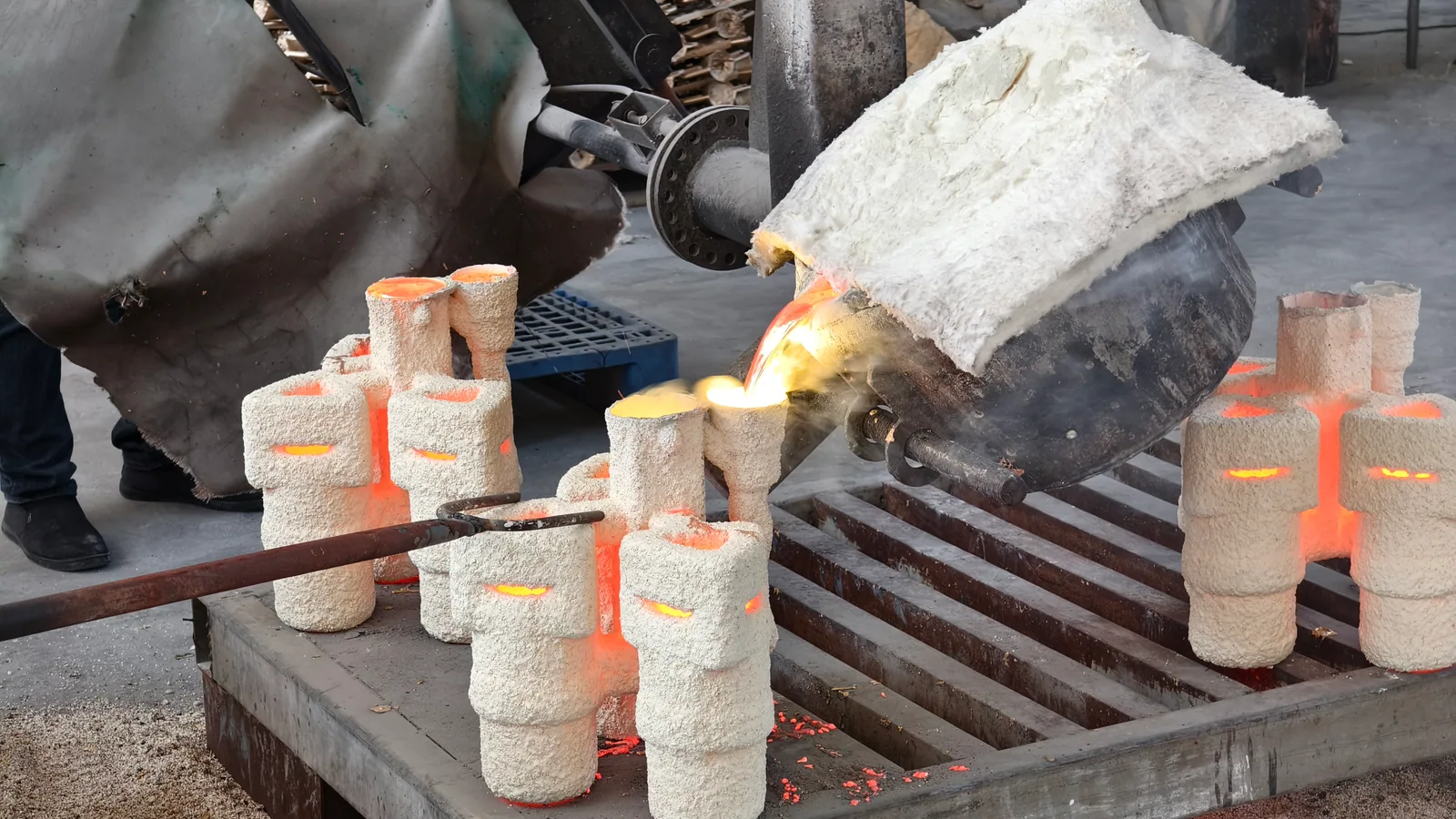
Choose alloy (bronze, brass, silver, gold, aluminum, some steels). Each has distinct melting points and behavior. Melt in a crucible furnace appropriate for the alloy. Flux and skimming: remove dross and oxidized surface layer.
PROCESS · 12
AI 3D Scanner Dimensional Inspection
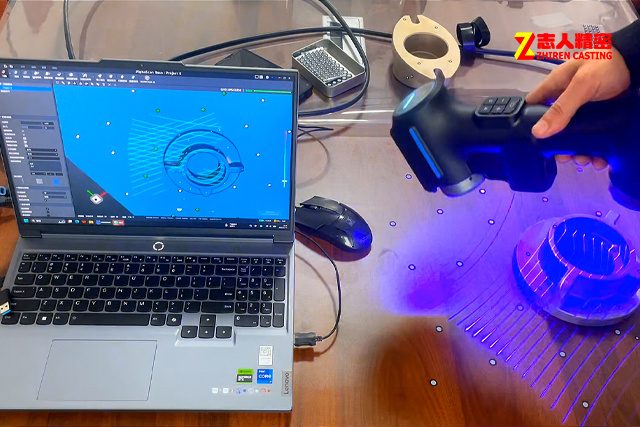
Uses an AI-driven 3D scanner to take a complete 360-degree scan of the finished casting. Scanning: A high-precision 3D scanner quickly captures complete point cloud data of the casting’s surface.
Comparison: The actual 3D model obtained from the scan is automatically compared against the original design drawings (CAD model).
Analysis: A color-mapped deviation report is generated, visually displaying the dimensional errors at every point, allowing for precise verification of whether critical tolerances are met.
Comparison: The actual 3D model obtained from the scan is automatically compared against the original design drawings (CAD model).
Analysis: A color-mapped deviation report is generated, visually displaying the dimensional errors at every point, allowing for precise verification of whether critical tolerances are met.
QUALIFICATION & HONOR
Certificates & Recognition
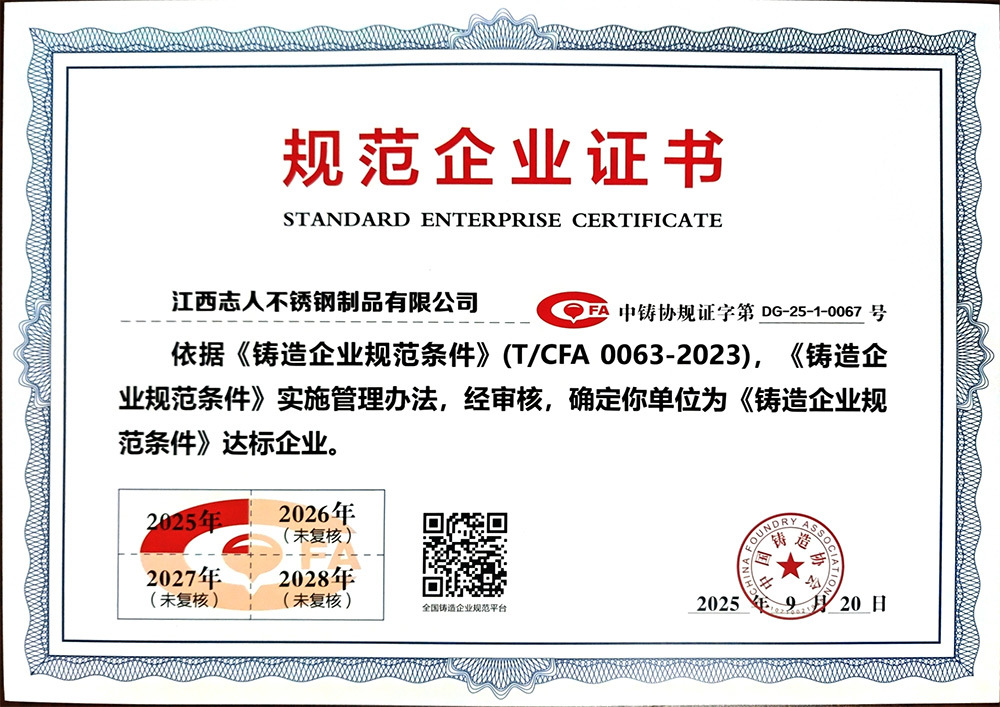
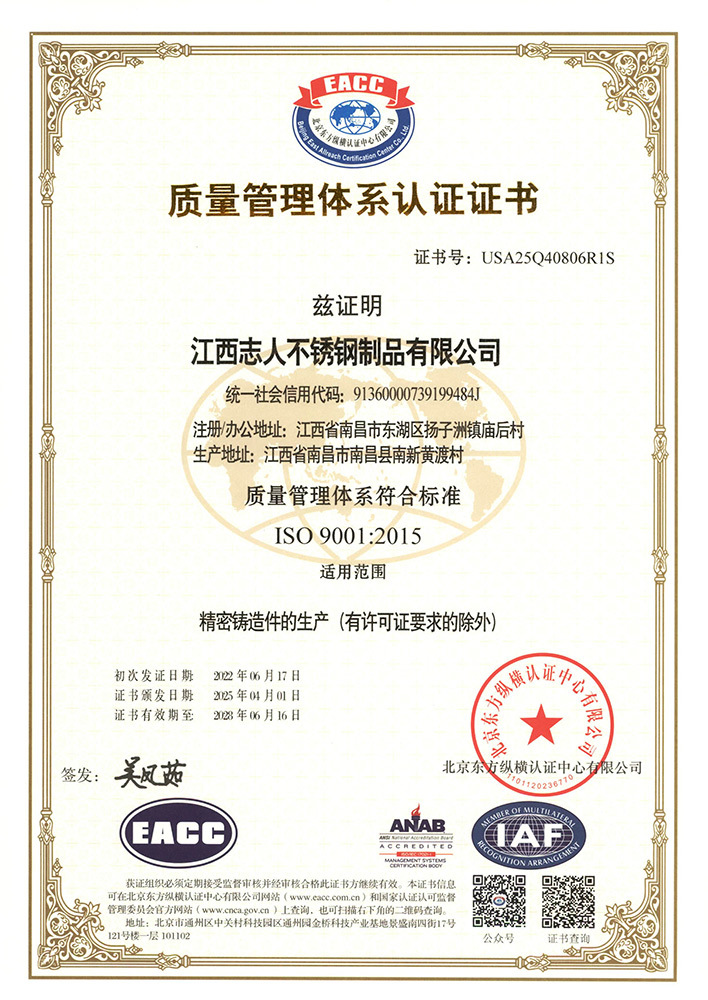
China Foundry Association Standard Enterprise Certificate
View certificate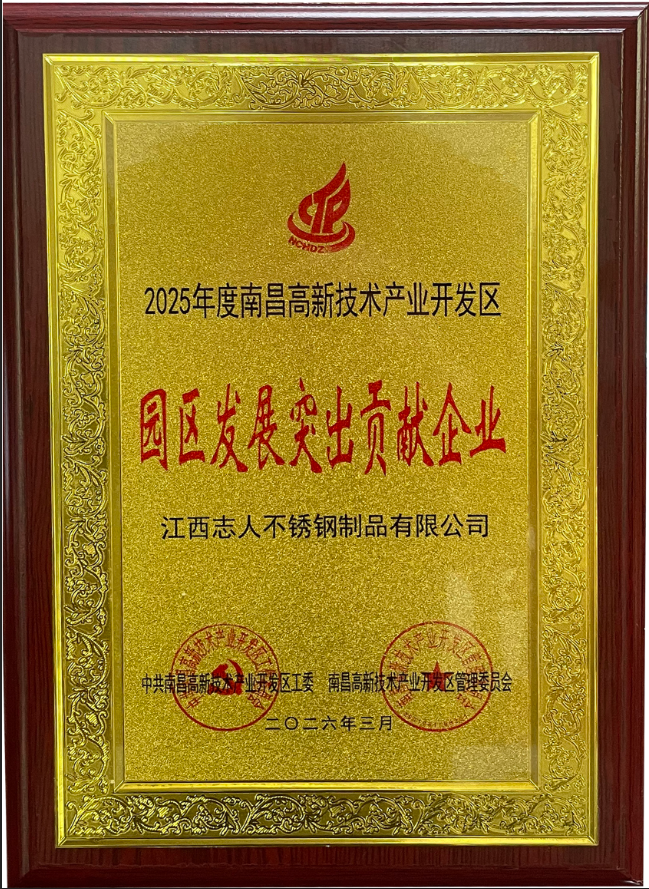
Enterprise with Outstanding Contribution to Park Development
View certificate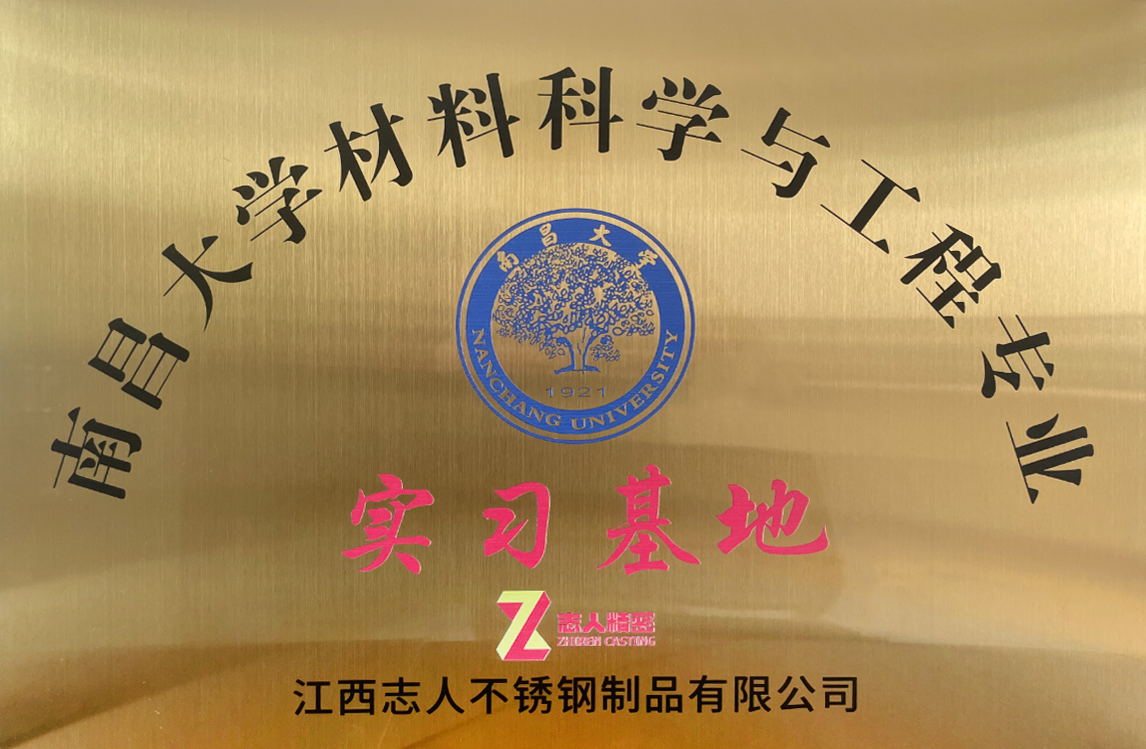
Nanchang University Cooperative Research and Internship Base
View certificateSUSTAINABILITY
Responsible manufacturing.
Zhiren is committed to sustainable manufacturing through continuous process optimization and smart foundry upgrades. By improving production efficiency and adopting energy-saving technologies, we have reduced energy consumption per unit output while maintaining consistent product quality and operational stability. Our approach focuses on responsible material use, efficient resource management, and long-term reliability, ensuring that our manufacturing practices support both environmental responsibility and the sustainable development of our global partners.